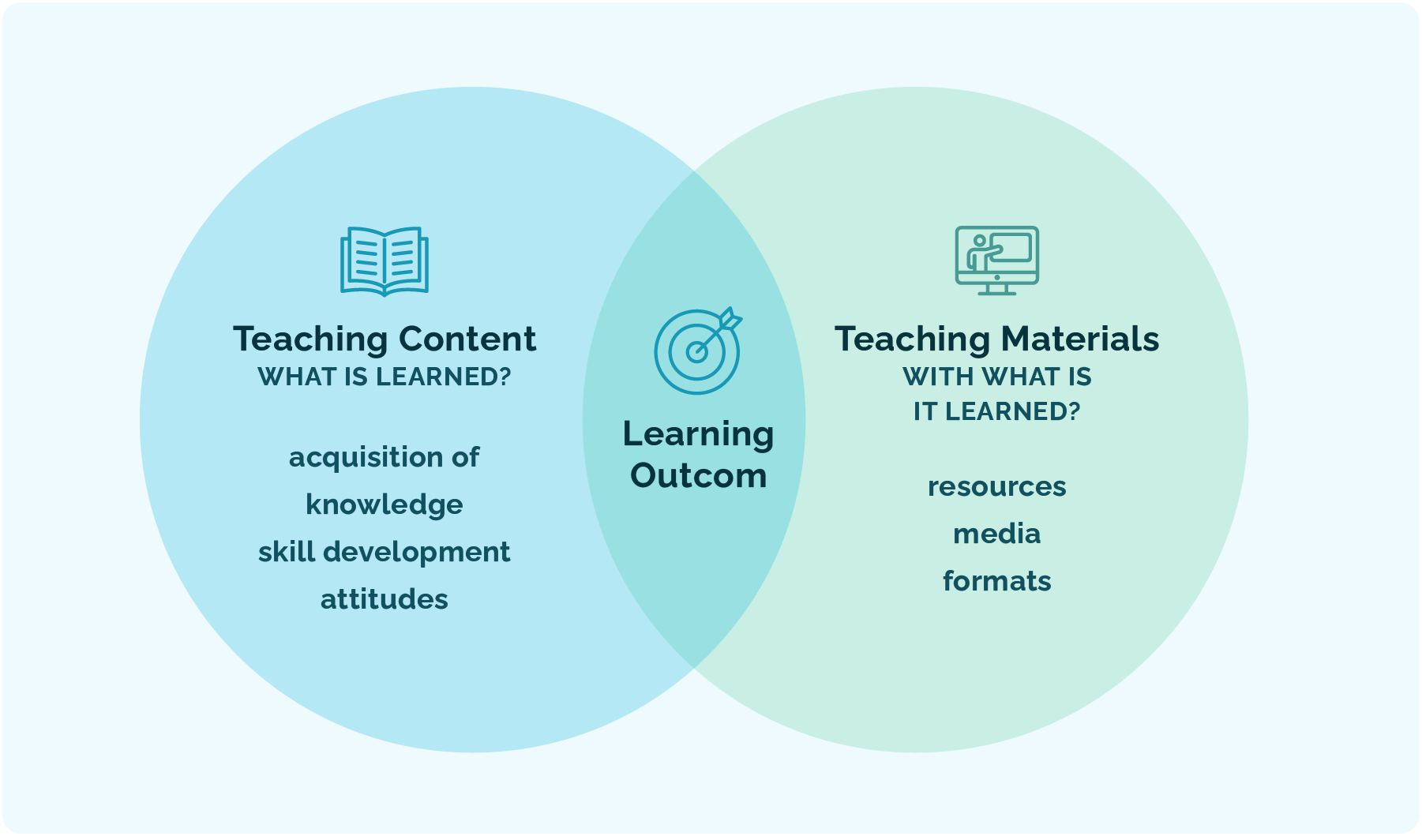
Figure 1. The relationship between teaching content and materials in achieving learning outcomes
Basics of Digital Teaching Content
2. The Difference Between Teaching Content and Teaching Materials
In instructional design, it is important to distinguish between teaching content and teaching materials.
Teaching content refers to what is being taught — the thematic and conceptual framework, knowledge, skills, and attitudes that students are expected to acquire.
Examples: critical source analysis, fundamentals of algorithms, principles of copyright law.
Teaching materials refer to how teaching takes place — the specific resources, media, and formats through which the content is delivered.
Examples: presentations, quizzes, videos, texts, infographics, etc.
In other words, teaching content represents the pedagogical objective, while teaching materials are the means used to achieve it. This distinction supports effective planning because it shifts attention from the technical implementation to the actual educational purpose (Gregory-Ellis, 2022). Only through the connection between the two can learning outcomes be achieved — content determines what students need to master, while materials provide the pathway and the form through which that knowledge, skill, or attitude is communicated.
Background Colour
Font Face
Font Size
1
Text Colour
Font Kerning
Image Visibility
Letter Spacing
0
Line Height
1.2
Link Highlight
Paragraph Width
0
Text Alignment