Introduction to Multimedia Learning – Theory, Principles, and Tools
2. Theoretical Basis – Mayer’s Cognitive Theory of Multimedia Learning
Richard Mayer (2001) developed the Cognitive Theory of Multimedia Learning, whose three core principles are particularly relevant for instructional design:
-
Dual-channel processing – Information is processed through two separate channels: the visual/spatial channel (images, diagrams, video) and the auditory/verbal channel (spoken words, sound).
-
Limited working memory capacity – Each channel can process only a limited amount of information at a time, which requires careful selection and organisation of content to prevent cognitive overload.
-
Active processing – Learning is not a passive process; learners must actively engage in selecting, organising, and integrating information in order to construct meaningful and lasting knowledge.
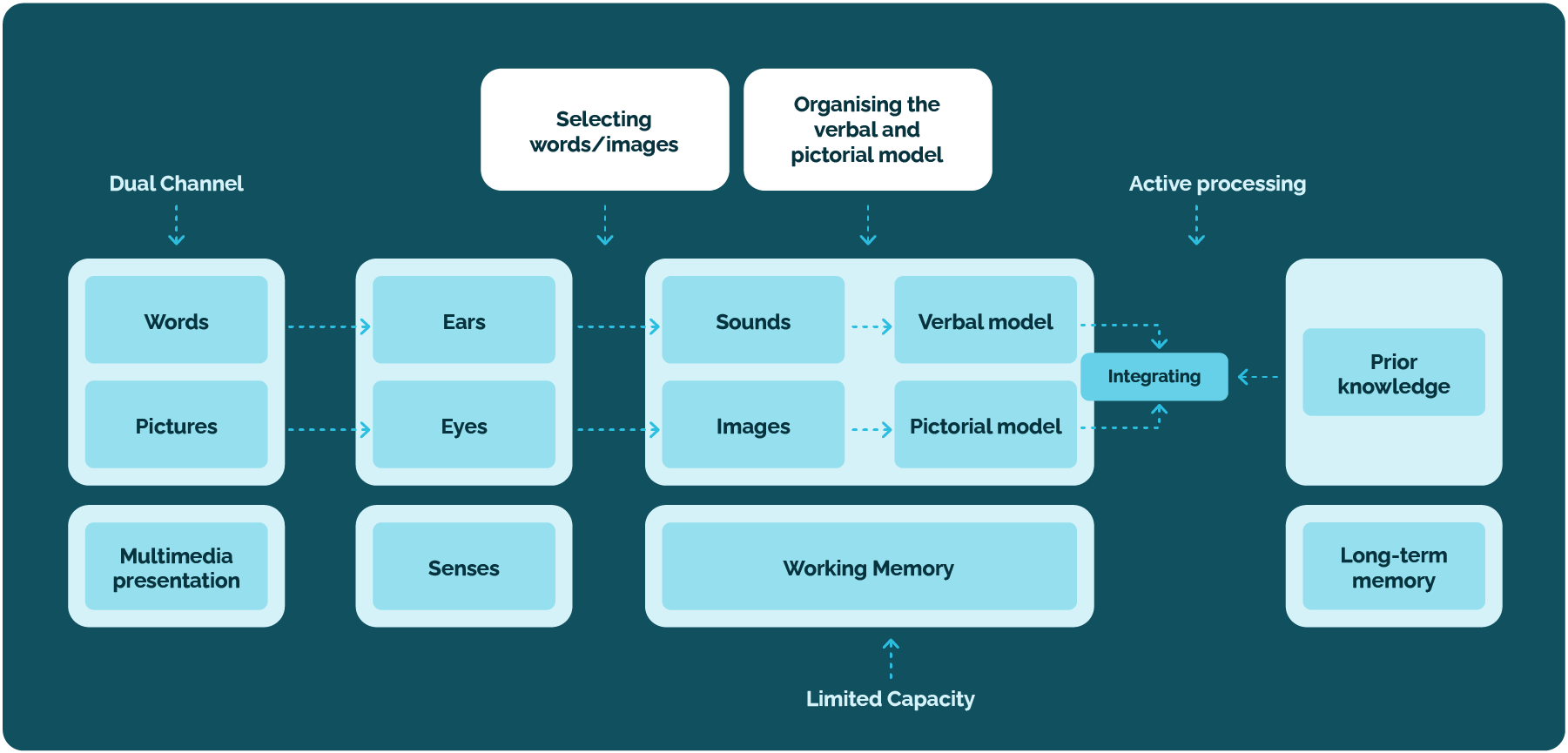
Figure 1: Mayer's Cognitive Theory of Multimedia Learning
Background Colour
Font Face
Font Size
Text Colour
Font Kerning
Image Visibility
Letter Spacing
Line Height
Link Highlight
Paragraph Width
Text Alignment