Well-being in the information society
3. What is well-being?
Well-being is a comprehensive state in which a person feels healthy and happy. It encompasses a wide spectrum of aspects that contribute to the overall quality of life of an individual or community, including physical, emotional, mental, and social states.
Well-being implies access to both internal and external resources to successfully cope with challenges, ensuring resilience and the ability to adapt to life circumstances.
The concept of well-being is difficult to define unambiguously. The main challenges arise from its multidimensional nature, as it encompasses psychological, social, physical, and environmental aspects. Well-being is primarily a subjective experience. Namely, what constitutes well-being for one person does not necessarily hold true for another.
In order to structure this concept, two aspects of well-being theory should be considered:
-
Hedonic well-being (happiness): focuses on pleasure, satisfaction, positive feelings, and the absence of negative experiences. It is often measured by subjective life satisfaction. The key goal is maximising pleasure and minimising pain.
-
Eudaimonic well-being (fulfillment): focuses on a meaningful and fulfilled life, realising one's personal potential, growth, purpose, and self-realisation. Although fulfillment and pleasure overlap, a eudaimonic life involves engagement in demanding and meaningful activities alongside achieving specific goals.
While both aspects are important, higher education institutions should focus primarily on the eudaimonic aspects of well-being, given the demanding nature of student and teaching life directed toward learning and development. In this context, we can highlight the following components of the eudaimonic aspect of well-being:
-
Growth and development in the academic environment, within which eudaimonia encourages students and teachers to face academic challenges, learn from failures, and achieve focus in their work and studies.
-
Stability and support, where the focus is on achieving well-being as a balance between resources and challenges, allowing the institution to identify gaps in the support system (resources) for students and teachers facing goals related to learning, exams, or research.
-
Social inclusion, which encompasses social connectedness and a sense of belonging, important factors for both students and teachers.
If you want to learn more about this, read the professional article "The challenge of defining wellbeing".
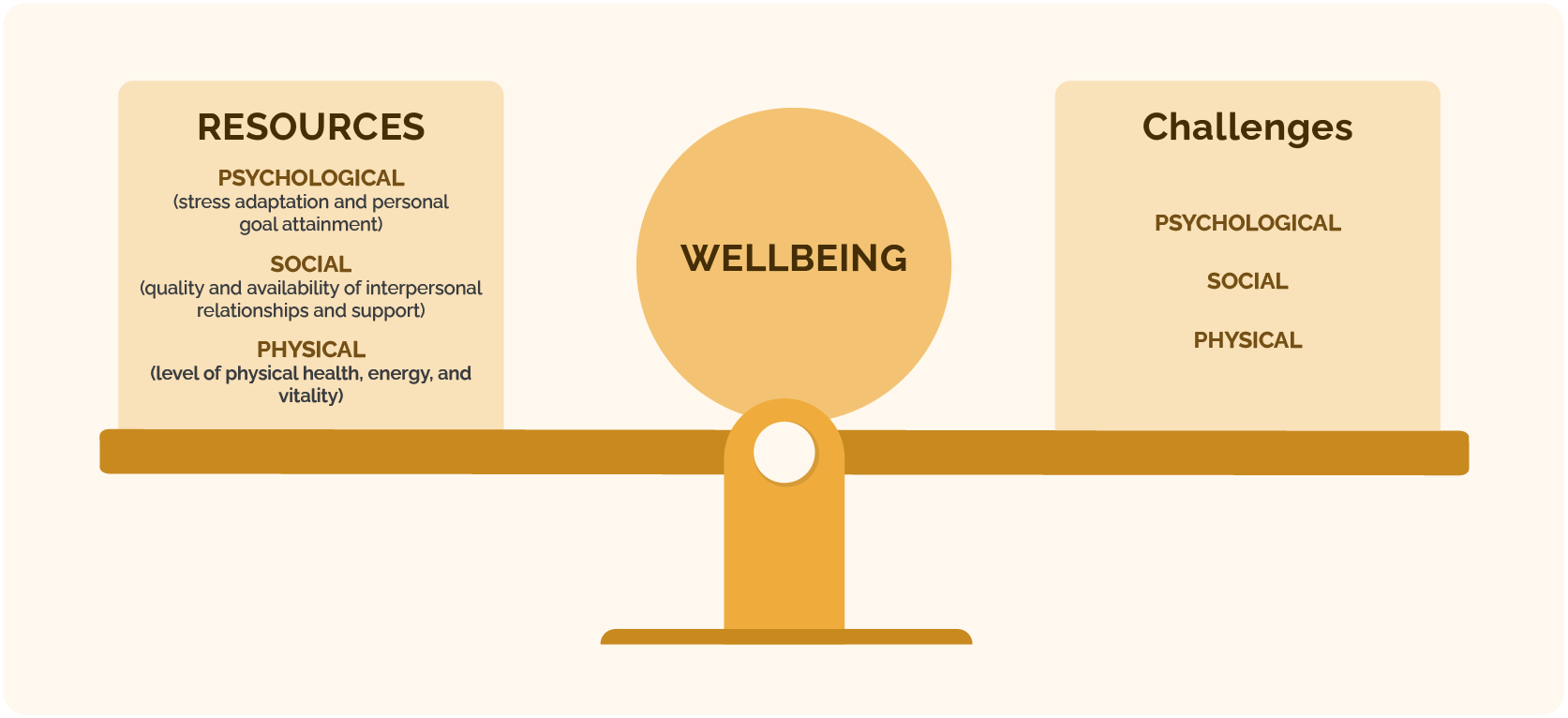
Figure 1. The concept of well-being, Source: The challenge of defining well-being
Well-being in a higher education institution is not a universal concept; it is primarily a subjective, situational, and multidimensional experience defined as a point of balance between individual resources and challenges faced. Precisely because of this inherent subjectivity, different groups of stakeholders within the institution perceive the key factors affecting their well-being differently. Students are often focused on aspects such as social connectedness and learning flexibility, while employees emphasise work-life balance and adequate workload management (for more information, see the report "Needs and well-being of students and staff" published by the DIGI-HE project).
Based on the above, it is concluded that every higher education institution must develop its own, customised programme that takes into account all three key domains affecting stakeholders: Community and Culture (e.g., ensuring psychological safety), Rules and Practices (e.g., study/work flexibility and support systems), and Institutional Values (e.g., transparency and a culture of respect).
This strategic approach also raises the issue of responsibility, and it is important to emphasise that while well-being is individual, the institution bears a key responsibility for creating the framework in which well-being can be ensured. The higher education institution must set the strategic framework and goals and ensure sufficient resources (such as mental health counselling centres and proper working conditions) for achieving them. It is important to implement fair and transparent decisions and establish a policy that supports balance and flexibility. Institutional support is most effective when it creates stimulating conditions for growth and development, while the individual remains responsible for actively using those resources and maintaining their personal balance.

Image source: Shutterstock
Background Colour
Font Face
Font Size
Text Colour
Font Kerning
Image Visibility
Letter Spacing
Line Height
Link Highlight
Paragraph Width
Text Alignment