Open Science
| Site: | Loomen za stručna usavršavanja |
| Course: | Open Education and Open Science |
| Book: | Open Science |
| Printed by: | Gost (anonimni korisnik) |
| Date: | Thursday, 17 September 2026, 4:55 AM |
1. Introduction
The following links and documents are available in Croatian only. Participants may use free AI-powered translation tools to access the provided materials.
Open Science is a set of principles and practices aimed at making scientific research from all disciplines and in all languages openly accessible, reusable, and shareable for everyone, for the benefit of both the scientific community and society as a whole.
It promotes a comprehensive open process of knowledge creation that includes open scientific communication, the popularisation of science, open dialogue, transparent peer review, and open evaluation. In addition, open science advocates the use of open formats, open data and tools, open standards, open scientific infrastructures, and open-source software. In its broader understanding, open science also encompasses open education and the active involvement of the public through citizen science initiatives.
The Higher Education and Scientific Activity Act of 2022 establishes open science as a fundamental principle of scientific, artistic, and higher education activities in Croatia. The Act emphasises the public availability of scientific research results and artistic outputs, as well as the general openness of higher education institutions towards the public, citizens, and local communities.
In May 2025, the Croatian Open Science Plan was also adopted. An overview of open science in the Republic of Croatia is an integral part of the Croatian Open Science Plan, which was developed by a working group formed within the framework of the Croatian Open Science Cloud Initiative (HR-OOZ).
Open science is recognized as a key priority in European and national scientific policies, which is also confirmed by the Research Infrastructure Development Plan in the Republic of Croatia 2023–2027. This plan emphasises that research infrastructures should be guided by FAIR principles (Findable, Accessible, Interoperable, Reusable) and should implement open research data management practices.
Further support for the implementation of open science principles in the Croatian research landscape is provided by the National Croatian Research Information System (CroRIS) and the European Open Science Cloud (EOSC), as well as its Croatian counterpart, the Croatian Open Science Cloud (HR-OOZ).
In January 2021, Croatia became a member of the European Open Science Cloud (EOSC Association). The Ministry appointed the University Computing Centre (SRCE) as the mandated organization, enabling Croatia to join the European community actively engaged in the development of open science and in improving access to research data and services through the EOSC platform.
Consequently, in July 2021, SRCE launched the Initiative for the Croatian Cloud for Open Science (HR-OOZ). The Croatian Open Science Cloud represents an organisational and technological environment designed to promote and support open science. It provides Croatian researchers, innovators, institutions, and citizens with a reliable, integrated, and open multidisciplinary environment for publishing, discovering, and reusing services and resources related to research, innovation, and education. The aim of HR-OOZ is to build a modern, high-quality, internationally relevant, and competitive scientific system in Croatia, grounded in open science principles and aligned with the European Research Area and relevant European initiatives.
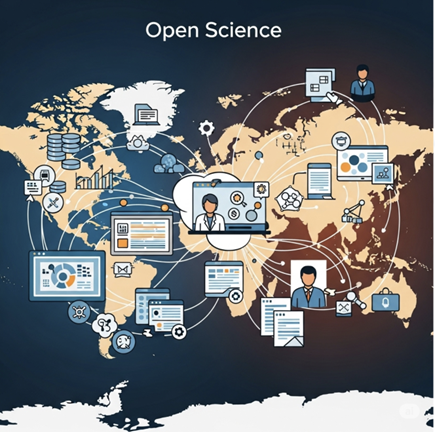
Figure 1: Generated by the Gemini AI Tool
Open science emphasizes transparency and knowledge sharing, while learning analytics provides the data foundation for making educational decisions. In this way, analytics can be understood as part of a broader movement of openness, where data becomes a shared resource for improving practice. You can learn about learning analytics in the course Learning Analytics.
2. Open Access to Scientific Publications
Open Access (OA) to scientific publications is a key component of open science, with the primary goal of ensuring free online availability of scientific and artistic works without financial, legal, or technical barriers (other than those related to internet access itself). In the academic community, universities and research institutions increasingly strive to ensure that all publications resulting from the work of their employees and students, as well as all their own editions, are available in open access.
This goal can be achieved in several ways, depending on the publishing strategy and editorial policy.
In all three aforementioned cases, it is crucial to publish works under one of the Creative Commons licences, whereby the use of the CC BY (Creative Commons Attribution) licence is generally recommended, as it allows for the widest possible reuse provided the original author is credited. Also, in all publications, it is of utmost importance to transparently state author affiliations and funding sources to ensure the traceability and integrity of research.
To support open access, it is advisable for higher education institutions to require their employees to, at the latest by the time of publication, enter bibliographic data into the CroRIS-CROSBI open system and deposit the full text into the institutional repository of their institution. Such an approach ensures centralised records and the availability of scientific production.
3. Open Research Infrastructure
To achieve high standards in research, it is crucial to ensure access to high-quality open research infrastructure, e-infrastructure, and digital services. Open research infrastructures provide the necessary resources and services to research communities, enabling the conduct of research and fostering innovation. They are crucial for the effective sharing of resources, tools, and access to high-quality data. In a broader sense, open science infrastructures also encompass open, interoperable, and non-profit platforms for scientific publishing and dissemination of results, tailored to the specific needs of individual scientific fields. Especially in the context of the rapid development of artificial intelligence, open research data and open infrastructures are key. For instance, they enable the training of advanced artificial intelligence models, which impacts the achievement of scientific progress and the creation of innovative solutions.
4. FAIR Principles
Transparent research data management, together with the earliest possible sharing of data, is crucial for the credibility of science and ensuring valuable databases for future research. Data must be managed in accordance with FAIR principles (Findable, Accessible, Interoperable, Reusable).
FAIR principles imply:
- Ensuring access to documentation, such as protocols, instruments, and software code, necessary for understanding the data.
- Creating standardised metadata descriptions.
- Assigning persistent identifiers.
- Using open licenses whenever possible.
Even when open licenses cannot be applied, data can still adhere to FAIR principles if access is restricted only to the extent necessary, for example, to protect research participants.
The following document is available in Croatian only. Participants may use free AI-powered translation tools to access the provided materials.
It is recommended that higher education institutions provide support to researchers in data management throughout the entire project. Researchers should store their data in trustworthy disciplinary or thematic repositories, and if such are not available, in institutional repositories. Preference should be given to repositories that are part of the national infrastructure. If licences allow, storing data in multiple repositories is recommended. You can read more at the following link.
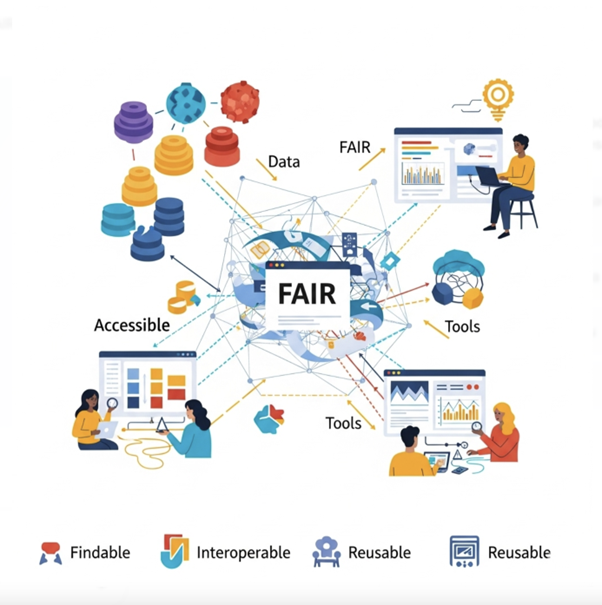
Figure 2: Image Generated by Gemini AI Tool
5. Open Source
Higher education institutions should promote the storage of source codes and other results of the research process, either in institutional repositories or other publicly available platforms such as GitHub. Open-source code, much like open data, is crucial for the transparency, verifiability, and reproducibility of scientific research, enabling other researchers to reproduce results and build upon existing solutions. Complete, up-to-date, and correct code documentation is a necessary prerequisite for the application of FAIR principles intended for software code. Furthermore, authors are required to record research software and programming code in the Croatian Research Information System (CroRIS).
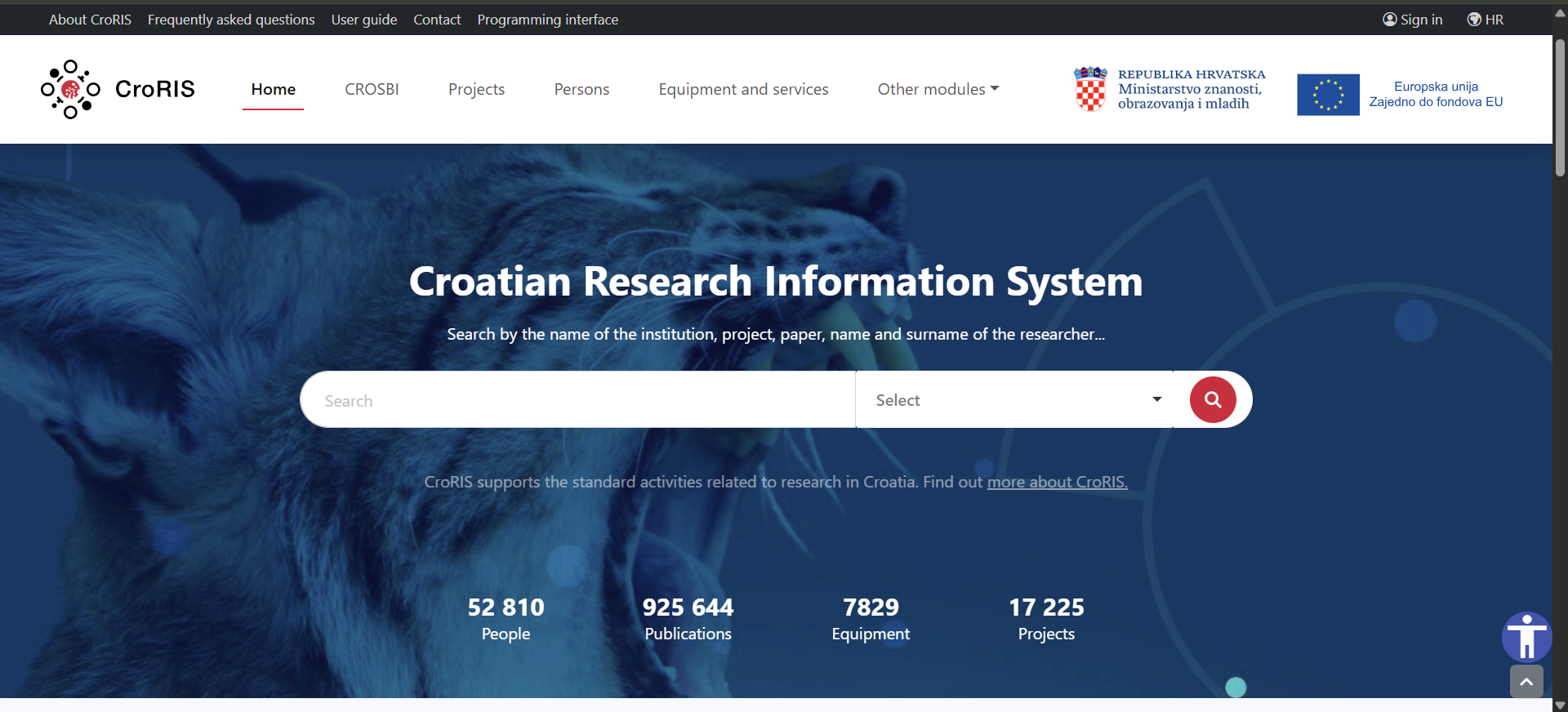
Figure 3: CroRIS System Interface
6. Self-Assessment and Reflection Questions
Note: The questions that follow are intended for self-assessment and reflection. The answers are not primarily focused on fact-checking, but rather on encouraging introspection regarding how you apply or plan to apply the acquired content in a real-world professional or academic context.
Definition and Scope of Open Science
-
How would you define Open Science, and which aspects of the knowledge creation process does it encompass?
Legal and Strategic Framework in Croatia
-
How does the 2022 Act on Higher Education and Scientific Activity promote the principles of Open Science?
-
What is the role of the "Croatian Open Science Plan" and the "Research Infrastructure Development Plan in the Republic of Croatia 2023–2027" in positioning Open Science as a priority in Croatia?
Key Initiatives and Infrastructures
-
Explain the role and connection between the National Science Information System (CroRIS), the European Open Science Cloud (EOSC), and the Croatian Open Science Cloud (HR-OOZ) in promoting Open Science in Croatia.
Open Access to Scientific Publications
-
What are the three main models of Open Access to publications? Describe each model.
-
In what ways can universities systematically support Open Access to the publications of their employees and students?
Open Research Infrastructure
-
Why is high-quality open research infrastructure crucial for achieving high standards in research and fostering innovation?
FAIR Principles for Research Data
-
What do the FAIR principles (Findable, Accessible, Interoperable, Reusable) entail for research data management? List the specific guidelines they offer.
-
Explain a situation in which data can be FAIR even when they are not fully open.
-
Where should researchers store their data, and which repositories should be preferred?
Open Source
-
Explain the importance of open source code in scientific research and how it contributes to transparency and reproducibility.
-
What is a necessary prerequisite for applying FAIR principles to programming code?
Background Colour
Font Face
Font Size
Text Colour
Font Kerning
Image Visibility
Letter Spacing
Line Height
Link Highlight
Paragraph Width
Text Alignment