Strategic Planning and Developing Open Access
| Site: | Loomen za stručna usavršavanja |
| Course: | Open Education and Open Science |
| Book: | Strategic Planning and Developing Open Access |
| Printed by: | Gost (anonimni korisnik) |
| Date: | Thursday, 17 September 2026, 4:55 AM |
Table of contents
- 1. Introduction and Elements of Strategic Planning
- 2. Implementation of Open Access into Higher Education Institution Policies
- 3. Ways of Introducing Openness Concepts At All Levels
- 4. Examples of Policies and Declarations of Higher Education Institutions in Croatia
- 5. Self-Assessment and Reflection Questions
1. Introduction and Elements of Strategic Planning
Strategic planning enables a clear definition of mission, vision, and goals at the national level, but also at both the national level and within higher education institutions, thereby ensuring that all activities and resources are aligned towards a desired future and the attainment of set goals in the domains of science and education.
The vision for the development of open science and education is connected to a future in which knowledge is universally accessible, and education is of consistent quality for all, fostering innovation and collaborative practices.
The mission is to actively promote transparency, sharing, and the reuse of scientific outputs and educational resources through concrete strategies and support for all stakeholders.
Based on the vision and mission, specific, measurable, achievable, relevant, and time-bound (SMART) goals are set. These objectives clarify precisely what is intended through the introduction of openness, whether it involves increasing the number of open educational resources, enhancing the visibility of scholarly publications, or encouraging collaborative research activities.
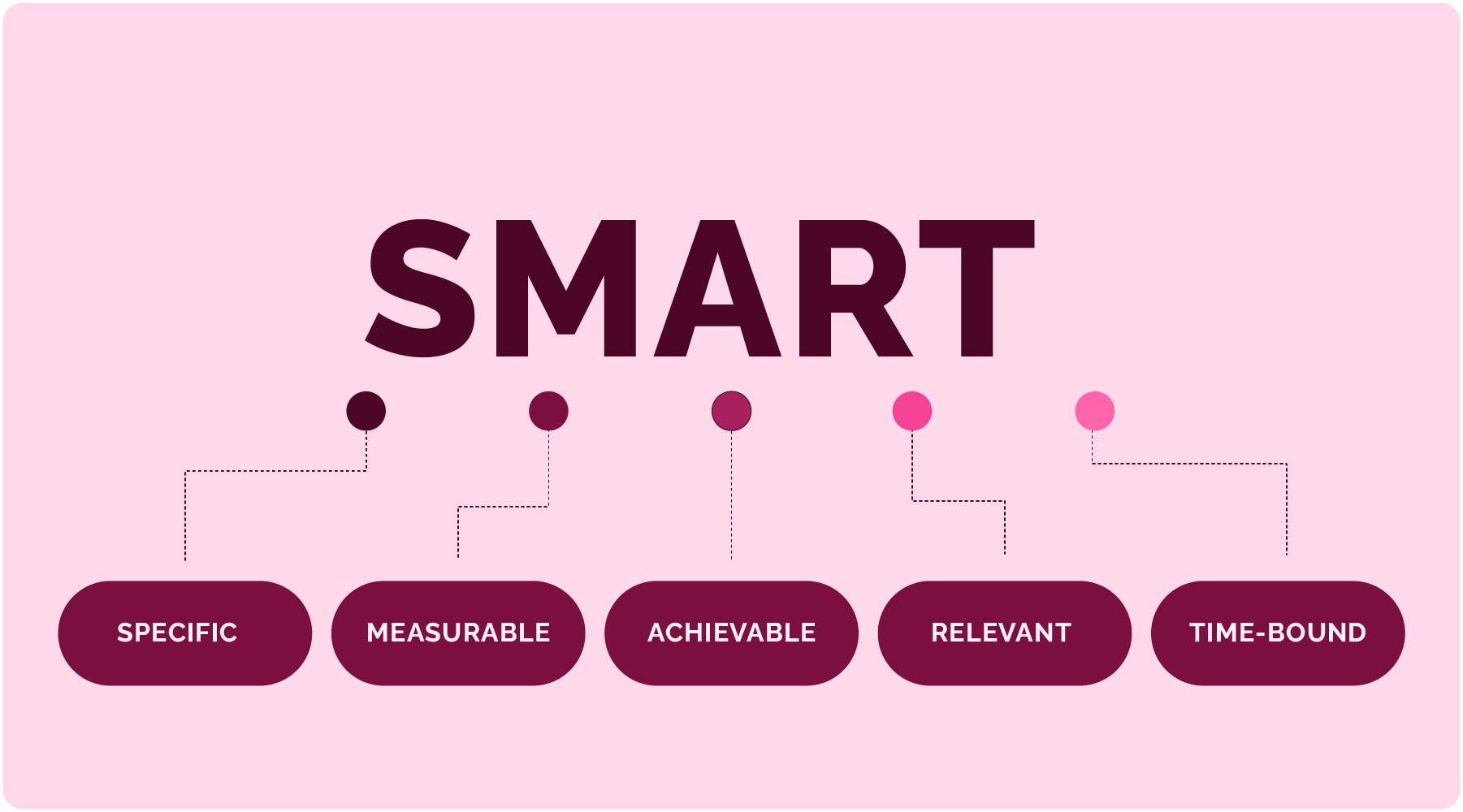
Figure 1: Graphical Representation of SMART Goals
To achieve these goals, we define specific activities – steps and projects we will undertake. These may include developing repositories, organising workshops, establishing open access policies, or encouraging lecturers to create open educational content. It is essential to allocate resources effectively (financial, human, and technical) to implement these activities successfully.
To know if we are on the right track toward achieving our goals, we must define clear success indicators for open science and education. These indicators can be quantitative, such as the number of papers published in open access, the number of open educational resources created, or the number of workshop participants, or qualitative, such as teachers’ and students’ perceptions of openness and the degree of research collaboration.
Finally, strategic planning includes mechanisms for evaluation and progress monitoring. Regular monitoring of indicators allows us to assess the effectiveness of implemented policies and strategies and to use these findings to adapt future steps.
Without a clear vision, mission, goals, specific activities, and measurable indicators, the introduction of openness can be haphazard and ineffective. A strategic approach ensures that our efforts are focused, purposeful, and lead toward the desired transformation.
Strategic planning guarantees the alignment of efforts at all levels. National policies should establish a framework and provide incentives for universities and faculties, while university strategies should interpret these policies and adapt them to their own context. Faculties then implement these strategies within their teaching and research practices.

Figure 2: Generated by Gemini AI Tool
2. Implementation of Open Access into Higher Education Institution Policies
Introducing open access (OA) into the policies of higher education institutions is crucial for the modernisation of the scientific and educational system. Open access ensures that scientific papers, research data, and educational materials are available to everyone, promoting a faster flow of information, collaboration, and innovation. Achieving this requires a strategic approach to implementing open access at all institutional levels.
Successful implementation of open access depends on clearly defined strategic elements within the policies of higher education institutions. The following are key strategic elements aimed at fostering open access:
- Mandatory open access policy: institutions should adopt policies that mandate researchers and teachers to publish peer-reviewed papers and, where appropriate, research data in open access. This can be achieved through institutional repositories or thematic repositories.
- Support and infrastructure: providing adequate technical infrastructure, such as reliable institutional repositories, is crucial for the implementation of openness policies. Additionally, higher education institutions should provide support to researchers and teachers through education on open practices, legal aspects of open access, and copyright management.
- Open access funding: institutional budgets should provide funds to cover the costs of open access publishing. Funding from national and European projects should also be planned.
- Integration into evaluation systems: the system for evaluating scientific work and professional advancement should recognize open access publishing and the sharing of research data. This would encourage scientists to embrace OA practices.
-
Open Educational Resources (OER): higher education institutions should encourage the development and use of open educational resources, which includes creating materials that are accessible, adaptable, and reusable, thereby reducing the costs of studying and improving access to quality education.

Figure 3: Generated by Gemini AI Tool
3. Ways of Introducing Openness Concepts At All Levels
Openness concepts should not remain only at the level of declarations; they need to be integrated into strategies at all organizational levels within higher education institutions:
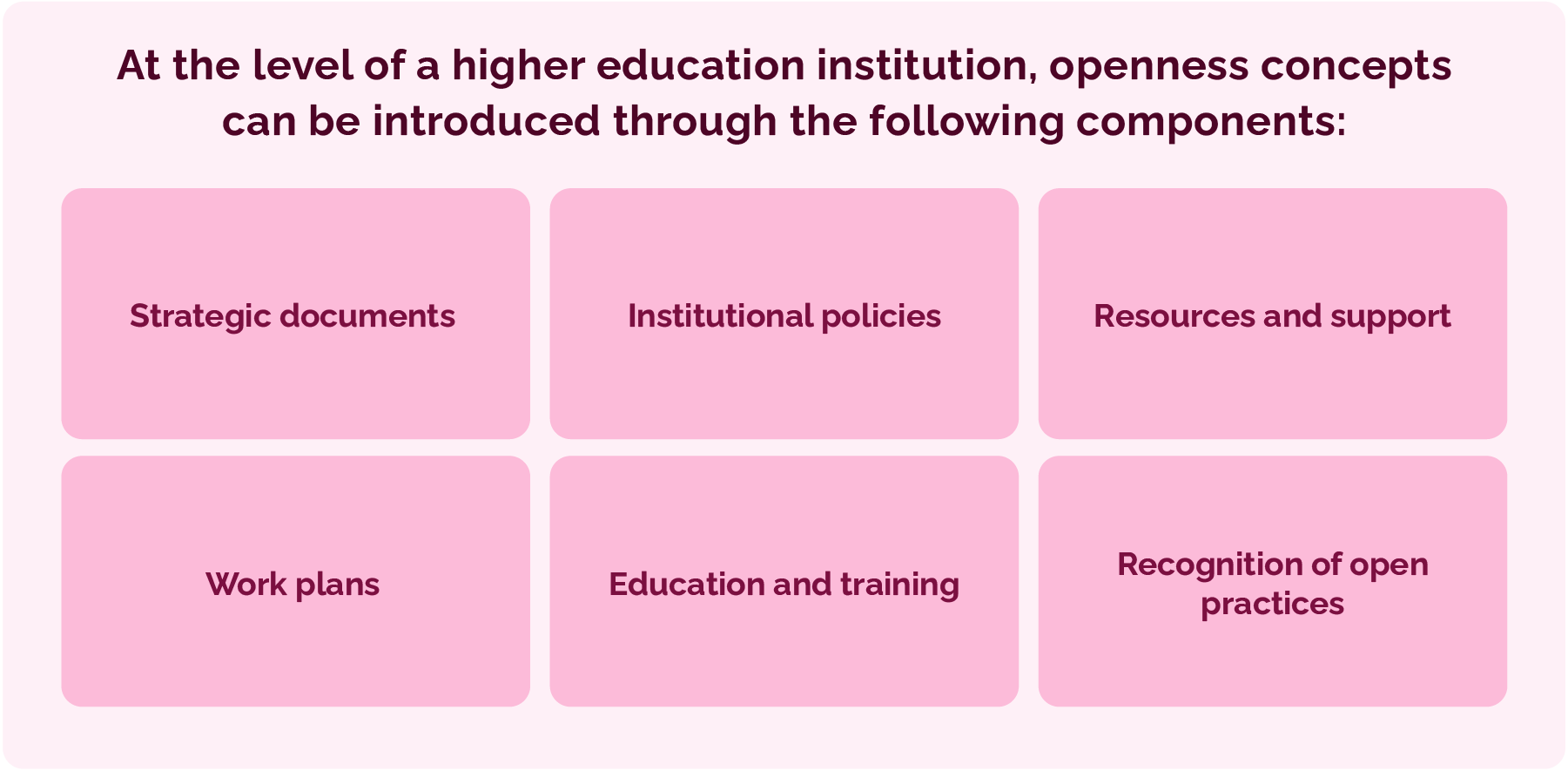
Figure 4: Components of the Openness Concept
Figure 5: Generated by Gemini AI Tool
At the individual level, openness concepts can be introduced through the following components:
Implementing open access is a complex, yet necessary, process that requires coordinated action at all levels within higher education institutions. Through a strategic approach, clear policies, and appropriate support, higher education institutions can become leaders in promoting open knowledge and education.

Figure 6: generated by AI tool Gemini
This topic directly connects with the content of the course on strategic planning for the application of digital technology, as strategic documents provide the framework within which open education and science become institutional priorities, rather than just individual initiatives. Furthermore, when introducing open education and science into strategic documents, it is equally important to incorporate the dimension of learning analytics. Analytics allow for measuring the effects of open practices and making evidence-based decisions. You can learn about learning analytics in the course Learning Analytics.
4. Examples of Policies and Declarations of Higher Education Institutions in Croatia
The following links and documents are available in Croatian only. Participants may use free AI-powered translation tools to access the provided materials.
The umbrella document for the Republic of Croatia is the Croatian Open Science Plan, issued by the Ministry of Science, Education and Youth in 2025. At the following links, you can explore examples of policies and declarations of higher education institutions in Croatia.
5. Self-Assessment and Reflection Questions
- What is the difference between a vision and a mission when it comes to the strategic planning of open science and open education within an institution?
- List three measurable (quantitative or qualitative) success indicators for monitoring the implementation of openness policies at a higher education institution.
- Describe three key strategic elements that a higher education institution should introduce into its policies to successfully implement open access.
- Why is it important to integrate open access into the systems for evaluating scientific work and career progression?
- State two specific activities through which concepts of openness are introduced at the level of an individual researcher/teacher.
Background Colour
Font Face
Font Size
Text Colour
Font Kerning
Image Visibility
Letter Spacing
Line Height
Link Highlight
Paragraph Width
Text Alignment