Well-being in the information society
| Site: | Loomen za stručna usavršavanja |
| Course: | Impact of Digital Technologies on Well-being |
| Book: | Well-being in the information society |
| Printed by: | Gost (anonimni korisnik) |
| Date: | Friday, 18 September 2026, 4:41 AM |
Table of contents
- 1. Directions
- 2. Introduction
- 3. What is well-being?
- 4. What is digital well-being?
- 5. What is mental health?
- 6. The role of higher education institutions in ensuring digital well-being
- 7. Learning Analytics (LA)
- 8. Integrating well-being into the curriculum and pedagogical practices
- 9. Conclusion
- 10. Task
- 11. Literature
1. Directions
Study the prepared materials on well-being in the information society, trends, and the future of digital technologies, and their impact on the well-being of all stakeholders in higher education.
The topic covered in the book is the learning and teaching process, its relationship with digital technologies, and the associated well-being. Within this theme, the trends and future of digital technologies in education will be analysed, such as artificial intelligence (AI), learning analytics, augmented and virtual reality, and their direct impact on the well-being of students, teachers, and other staff of higher education institutions.
The estimated time for studying the book is two hours.
2. Introduction
Digital technologies are rapidly impacting higher education, and digital transformation brings new challenges and opportunities for students, teachers, and staff of higher education institutions.
At the same time, it is crucial to understand the impact of digital technologies on the well-being of all stakeholders in higher education.
Well-being in this context encompasses physical, mental, emotional, and social health, as well as a sense of fulfillment and belonging to the educational environment, ensuring that digitalisation serves people, and not vice versa.
The use of digital technologies in education, professional development, and communication positively affects daily life by providing flexibility in performing these tasks; however, excessive use of digital technologies leads to saturation and aversion toward them. Digital technologies affect the well-being of students, teachers, and other staff of higher education institutions.
At the beginning of this introductory topic, it is important to define and distinguish the basic concepts: well-being, digital well-being, and mental health in order to better understand this subject. A precise understanding of these definitions is the foundation for further exploration.
3. What is well-being?
Well-being is a comprehensive state in which a person feels healthy and happy. It encompasses a wide spectrum of aspects that contribute to the overall quality of life of an individual or community, including physical, emotional, mental, and social states.
Well-being implies access to both internal and external resources to successfully cope with challenges, ensuring resilience and the ability to adapt to life circumstances.
The concept of well-being is difficult to define unambiguously. The main challenges arise from its multidimensional nature, as it encompasses psychological, social, physical, and environmental aspects. Well-being is primarily a subjective experience. Namely, what constitutes well-being for one person does not necessarily hold true for another.
In order to structure this concept, two aspects of well-being theory should be considered:
-
Hedonic well-being (happiness): focuses on pleasure, satisfaction, positive feelings, and the absence of negative experiences. It is often measured by subjective life satisfaction. The key goal is maximising pleasure and minimising pain.
-
Eudaimonic well-being (fulfillment): focuses on a meaningful and fulfilled life, realising one's personal potential, growth, purpose, and self-realisation. Although fulfillment and pleasure overlap, a eudaimonic life involves engagement in demanding and meaningful activities alongside achieving specific goals.
While both aspects are important, higher education institutions should focus primarily on the eudaimonic aspects of well-being, given the demanding nature of student and teaching life directed toward learning and development. In this context, we can highlight the following components of the eudaimonic aspect of well-being:
-
Growth and development in the academic environment, within which eudaimonia encourages students and teachers to face academic challenges, learn from failures, and achieve focus in their work and studies.
-
Stability and support, where the focus is on achieving well-being as a balance between resources and challenges, allowing the institution to identify gaps in the support system (resources) for students and teachers facing goals related to learning, exams, or research.
-
Social inclusion, which encompasses social connectedness and a sense of belonging, important factors for both students and teachers.
If you want to learn more about this, read the professional article "The challenge of defining wellbeing".
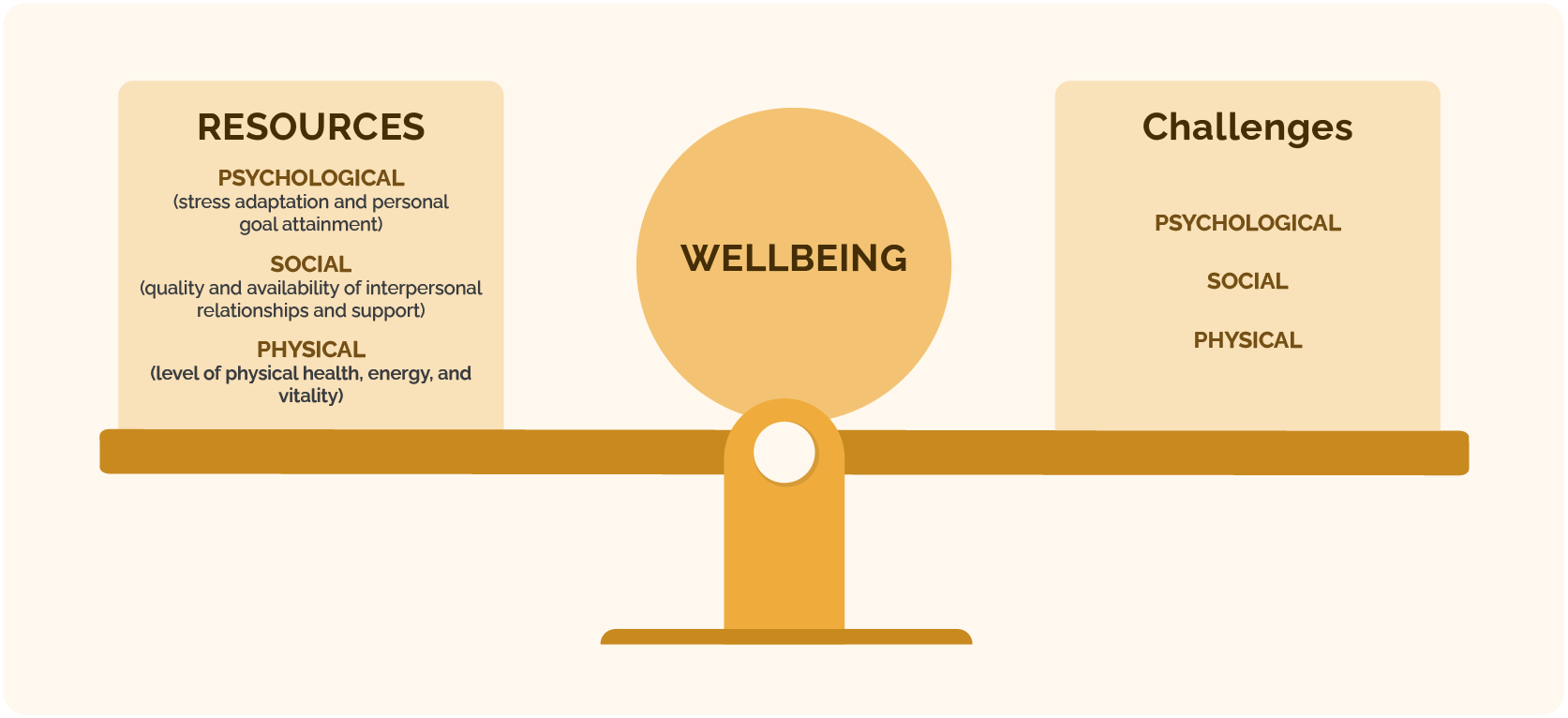
Figure 1. The concept of well-being, Source: The challenge of defining well-being
Well-being in a higher education institution is not a universal concept; it is primarily a subjective, situational, and multidimensional experience defined as a point of balance between individual resources and challenges faced. Precisely because of this inherent subjectivity, different groups of stakeholders within the institution perceive the key factors affecting their well-being differently. Students are often focused on aspects such as social connectedness and learning flexibility, while employees emphasise work-life balance and adequate workload management (for more information, see the report "Needs and well-being of students and staff" published by the DIGI-HE project).
Based on the above, it is concluded that every higher education institution must develop its own, customised programme that takes into account all three key domains affecting stakeholders: Community and Culture (e.g., ensuring psychological safety), Rules and Practices (e.g., study/work flexibility and support systems), and Institutional Values (e.g., transparency and a culture of respect).
This strategic approach also raises the issue of responsibility, and it is important to emphasise that while well-being is individual, the institution bears a key responsibility for creating the framework in which well-being can be ensured. The higher education institution must set the strategic framework and goals and ensure sufficient resources (such as mental health counselling centres and proper working conditions) for achieving them. It is important to implement fair and transparent decisions and establish a policy that supports balance and flexibility. Institutional support is most effective when it creates stimulating conditions for growth and development, while the individual remains responsible for actively using those resources and maintaining their personal balance.

Image source: Shutterstock
4. What is digital well-being?
Digital well-being refers to a state in which an individual achieves a healthy and balanced interaction with digital technologies, protecting their physical, mental, emotional, and social health.

Image source: Shutterstock
Digital well-being is finding harmony in our digital lives where technology serves us, and our online activity does not occur at the expense of our overall health and happiness.
5. What is mental health?
Mental health is a state of well-being in which an individual realises their potential, can cope with the normal stresses of life, can work productively and fruitfully, and is able to make a contribution to the community.
Mental health is not just a part of well-being – it is its foundation, which enables an individual to effectively handle life's challenges, utilise their full potential, be productive, and actively contribute to their community. All these elements stem directly from stable mental health and form the core of overall well-being.

Image source: Shutterstock
When we have good mental health, it is more likely that we will:
- feel happier and more satisfied with life,
- have more energy and motivation,
- have better physical health,
- have higher quality relationships with others,
- be more productive in our activities,
- cope more easily with challenges and stress.
It is important to emphasise that well-being and mental health do not imply the absence of unpleasant emotions, but rather access to internal and external resources in order to successfully cope with them.
6. The role of higher education institutions in ensuring digital well-being
7. Learning Analytics (LA)
Learning Analytics (LA) is becoming an essential tool for optimising teaching processes by providing insight into teaching effectiveness and students' needs.
LA significantly improves the well-being of students by enabling early identification of academic difficulties and providing personalised support, which reduces the feeling of being lost and improves psychological well-being. Data analysis also allows them to have customised learning paths and greater control over their own education.
Learning analytics is also useful for teachers because, through a differentiated and improved pedagogical approach, it adapts teaching to students' needs and increases satisfaction with the results achieved.
For management staff of higher education institutions, LA provides key insights for informed strategic decision-making regarding programme improvement and resource allocation, thereby enhancing the overall quality of education.
It is important to emphasise that for the successful application of learning analytics, it is crucial to ensure the ethical and transparent use of data and privacy protection to avoid the feeling of surveillance and to build trust.

Image source: Shutterstock
8. Integrating well-being into the curriculum and pedagogical practices
9. Conclusion
Digital trends in education bring numerous benefits that enhance the learning and working experience. However, their successful and sustainable development requires a careful balance between technological progress and concern for the well-being of all stakeholders through an ethical approach and continuous professional development. Only in this way can higher education institutions ensure a high-quality, inclusive, and motivating educational environment for the future.

Image source: Shutterstock
Integrating well-being into learning and teaching at higher education institutions implies a holistic approach that focuses not only on academic achievements but also on mental, physical, and social health. Well-being as a theme can be integrated into the curriculum and pedagogical practices, and higher education institutions should work on creating a supportive environment and building a culture based on empathy and openness.
10. Task
Think about how you could ensure a balance between technological progress and the well-being of all stakeholders in your higher education institution.
Provide some examples of measures and activities that could be undertaken with this goal in mind.
11. Literature
Cuppen, J., Muja, A., & Geurts, R. (2024). Well-being and mental health among students in European higher education (EUROSTUDENT 8 Topical Module Report). EUROSTUDENT.
Dodge, R., Daly, A. P., Huyton, J., & Sanders, L. (2012). The challenge of defining wellbeing. International Journal of Wellbeing, 2(3), 222–235.
European University Association. (2023). Needs and wellbeing of students and staff (Learning & Teaching Paper No. 20).
European Commission. (2024). Well-being at school. European Education Area.
Croatian Institute of Public Health. (2024). Do you know what mental health is? Mental Health Glossary.
Council of the European Union. (2022). Council conclusions on supporting well-being in digital education (2022/C 469/04). Official Journal of the European Union, C 469, 12–15.
Background Colour
Font Face
Font Size
Text Colour
Font Kerning
Image Visibility
Letter Spacing
Line Height
Link Highlight
Paragraph Width
Text Alignment