Development of guidelines for the responsible use of digital technologies
| Site: | Loomen za stručna usavršavanja |
| Course: | Impact of Digital Technologies on Well-being |
| Book: | Development of guidelines for the responsible use of digital technologies |
| Printed by: | Gost (anonimni korisnik) |
| Date: | Thursday, 17 September 2026, 11:26 AM |
Table of contents
- 1. Instruction
- 2. Introduction to Guidelines for the Responsible Use of Digital Technologies in Higher Education Institutions
- 3. Examples of guideline elements for the responsible use of digital technologies in higher education institutions
- 4. Examples of detailed recommendations, frameworks, and artificial intelligence application policies of higher education institutions
- 5. Literature
1. Instruction
Study the prepared materials on the proper and responsible use of digital technologies and determine the key aspects of application to ensure the responsible use of digital technologies in a higher education institution.
The estimated time for studying the book is two hours.
2. Introduction to Guidelines for the Responsible Use of Digital Technologies in Higher Education Institutions
Guidelines for the responsible use of digital technologies, including generative artificial intelligence (AI) tools, in higher education institutions aim to establish a framework for the ethical and responsible use of digital technologies within the academic community. They should be aligned with the institutional strategy and core values that encompass respect, responsibility, and integrity.
The guidelines should incorporate at least six aspects described below; following their clarification, we also present examples of guidelines for the responsible use of digital technologies in higher education institutions.
Some of the following links and documents are available in Croatian only. Participants may use free AI-powered translation tools to access the provided materials.
Read more about the second aspect of responsibility and the code of conduct in the example of the University of Hull's Online Rules of Conduct.
Read more about copyright and intellectual property management in the document Intellectual Property Management at the University, published by the University of Zagreb, Centre for Research, Development, and Transfer of Technology.
Examples of recommendations for the fair and transparent use of generative artificial intelligence can be found at the following links:
- Framework for the Use of Artificial Intelligence Tools in Teaching, Student Papers, and Research at the University of Zagreb, Faculty of Organisation and Informatics;
- Policy for the Appropriate Use of Artificial Intelligence at the Faculty of Electrical Engineering and Computing, University of Zagreb.
3. Examples of guideline elements for the responsible use of digital technologies in higher education institutions
The document Guidelines for Responsible Use of Technology serves as an example of a comprehensive set of guidelines. Another good example is the Acceptable Use of ICT Resources Policy 2025 from The University of Sydney. Additionally, the Responsible Use of Information Technology Resources document from Cornell University is also a valuable example.
4. Examples of detailed recommendations, frameworks, and artificial intelligence application policies of higher education institutions
In addition to the Guidelines for the responsible use of digital technologies in higher education institutions, very important recommendations that should be prepared in higher education institutions are related to the application of artificial intelligence (AI). Recommendations can be part of the Guidelines for the responsible use of digital technologies or can be a separate document dedicated exclusively to AI.
Some of the following links and documents are available in Croatian only. Participants may use free AI-powered translation tools to access the provided materials.
Examples of detailed recommendations, frameworks, and artificial intelligence application policies of higher education institutions can be found at the following links:
Framework for the use of artificial intelligence tools in teaching, student work, and research at FOI (2024);
Policy on the use of artificial intelligence tools at the University of Rijeka (2024);
Artificial Intelligence (AI) Policy; University of London (2025).
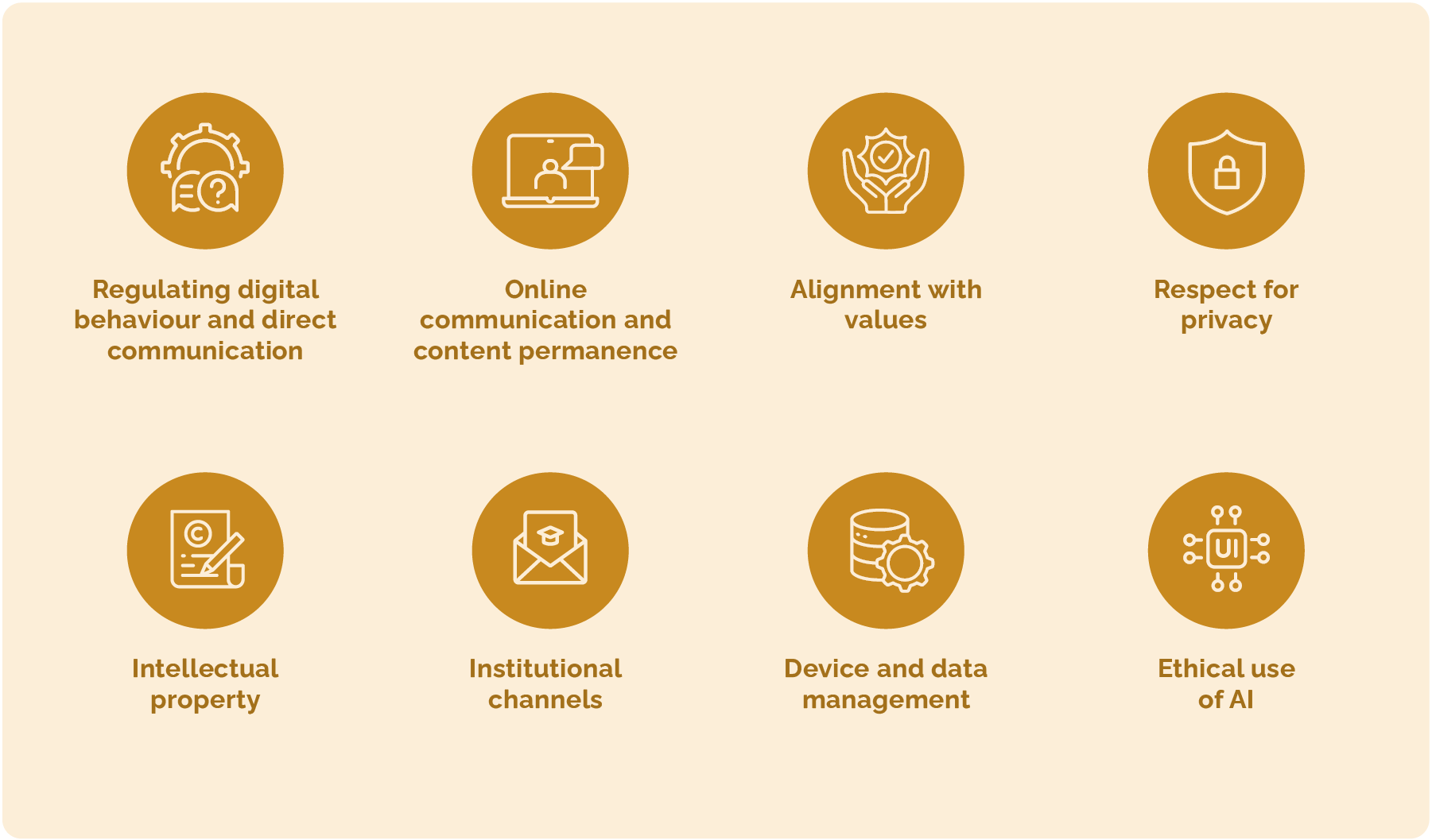
Figure 9. Elements of AI application policies in higher education institutions
5. Literature
Klačmer Čalopa, M., Tomičić-Pupek, K. & Begičević Ređep, N. (2018). Strategic plan for the application of information and communication technologies in schools. Croatian Academic and Research Network – CARNET.
Universities UK. (2021). StepChange: Mentally healthy universities.
Universities UK. (2023). StepChange: Mentally healthy universities self-assessment tool.
Background Colour
Font Face
Font Size
Text Colour
Font Kerning
Image Visibility
Letter Spacing
Line Height
Link Highlight
Paragraph Width
Text Alignment