Historical Development and Definition of Assistive Technology
| Site: | Loomen za stručna usavršavanja |
| Course: | Ensuring Inclusive Access Through the Use of Assistive Technology |
| Book: | Historical Development and Definition of Assistive Technology |
| Printed by: | Gost (anonimni korisnik) |
| Date: | Thursday, 17 September 2026, 11:17 PM |
1. Historical Development of Assistive Technology
2. Definition of Assistive Technology
The internationally accepted definition of assistive technology, according to the World Health Organization (WHO, 2024), is:
Assistive technology is an umbrella term for assistive products, related systems, and services. Assistive products help maintain or improve an individual’s functioning in cognitive functions, communication, hearing, mobility, self-care, and vision, thereby enabling their health, well-being, inclusion, and participation.
Most people will require assistive technology at some point in their lives, particularly as they grow older. Some may need assistive technology temporarily, for example, after an accident or illness, while others may need it for a longer period or throughout their lives.
Assistive technology is most needed by:
- children with developmental difficulties and people with disabilities,
- people with long-term health conditions,
- and older people.
Improving access to assistive technology can help achieve the Sustainable Development Goals and ensure that no one is left behind. This is done by enabling the inclusion and participation of assistive technology users in their families, communities, and all areas of society, including political, economic, and social spheres. However, the 2022 WHO and UNICEF Global Report on Assistive Technology states that more than 2.5 billion people need one or more forms of assistive technology, yet nearly one billion people are denied access to it.
3. Examples of Assistive Technology
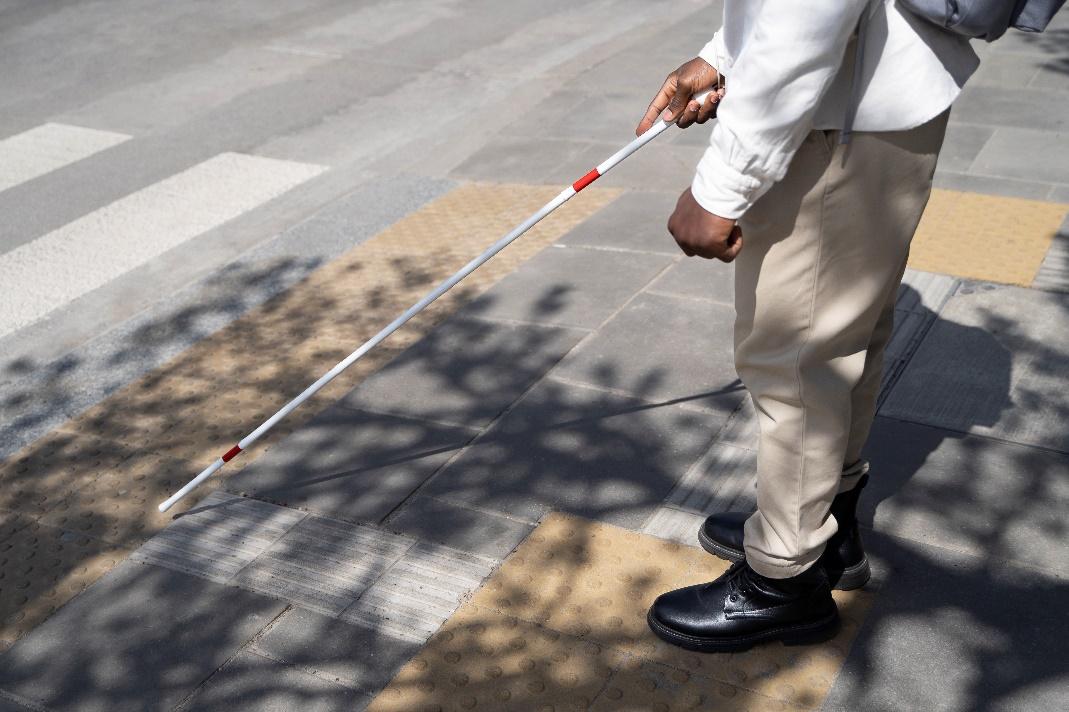
Figure 17. Cane for persons with low vision and blind persons
(Source)
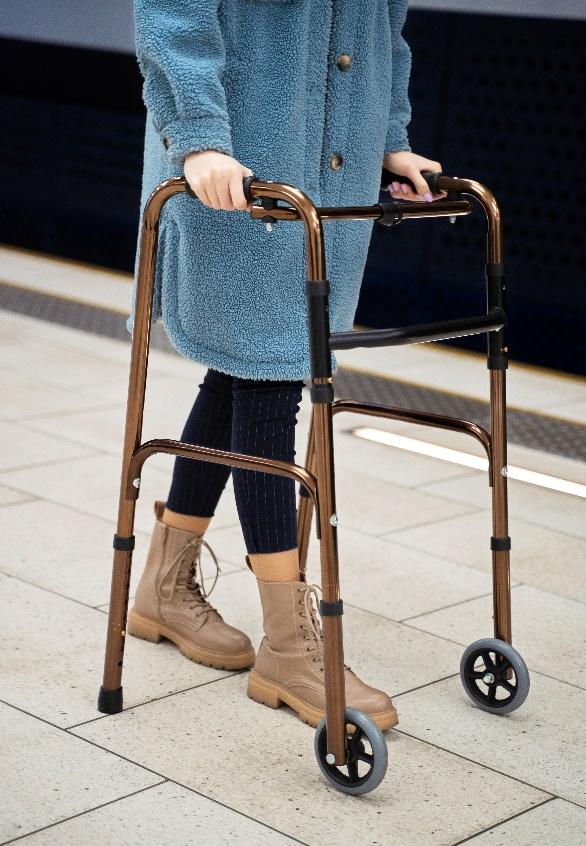
Figure 18. Walker
(Source)
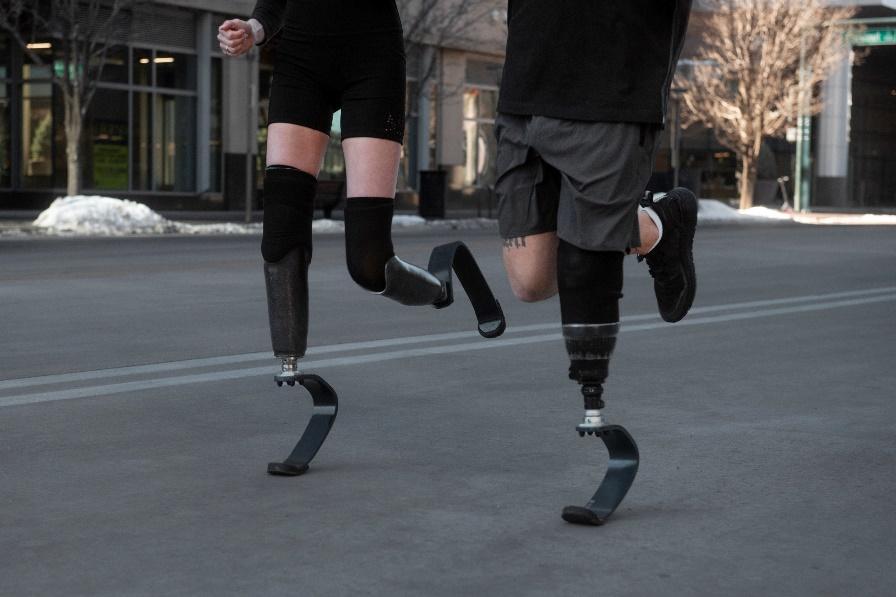
Figure 19. Running Prostheses
(Source)
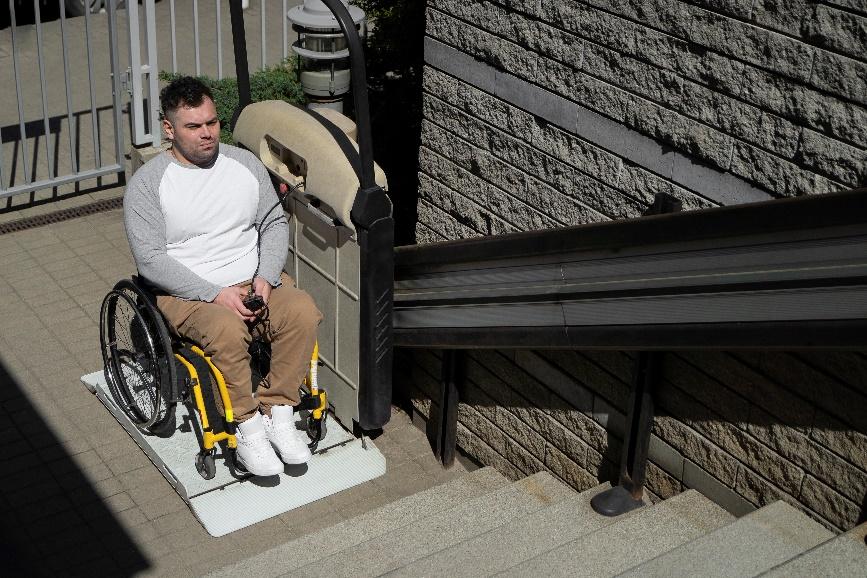
Figure 20. Stair Lift
(Source)
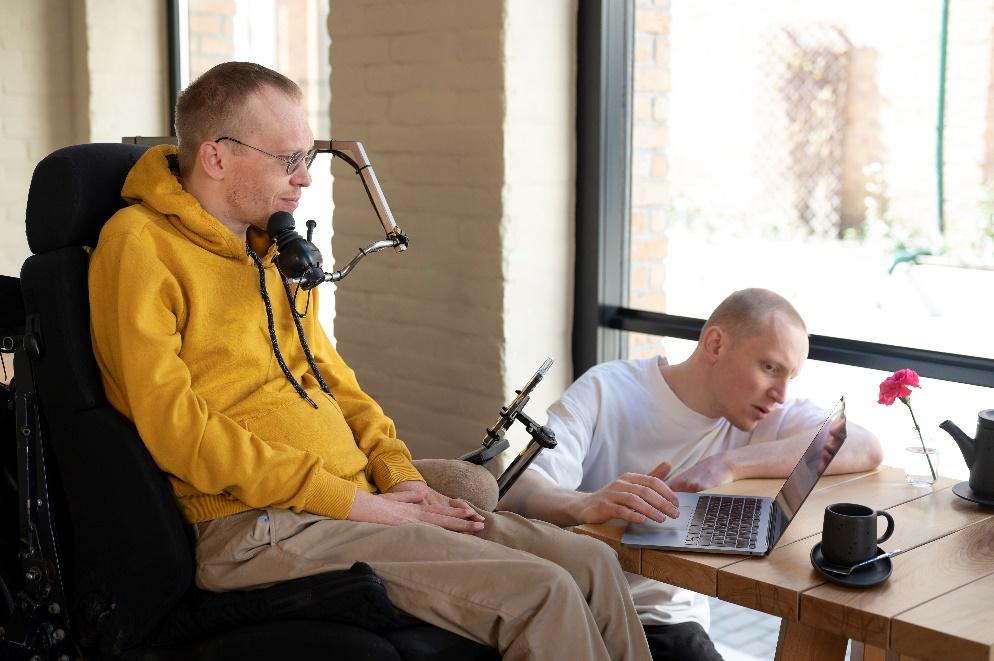
Figure 21. Assistive Technology for Computer Control
(Source)
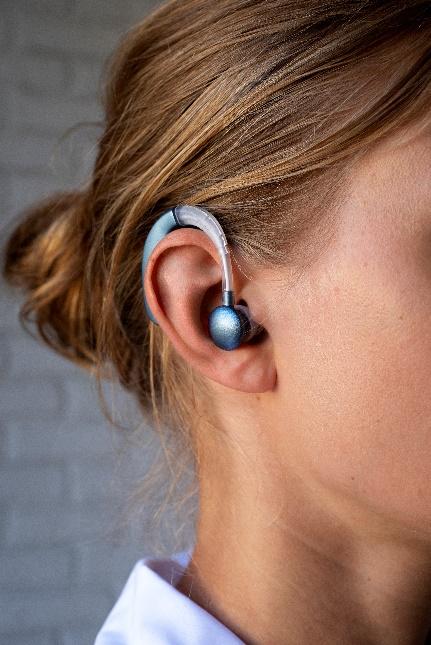
Figure 22. Hearing Aid
(Source)
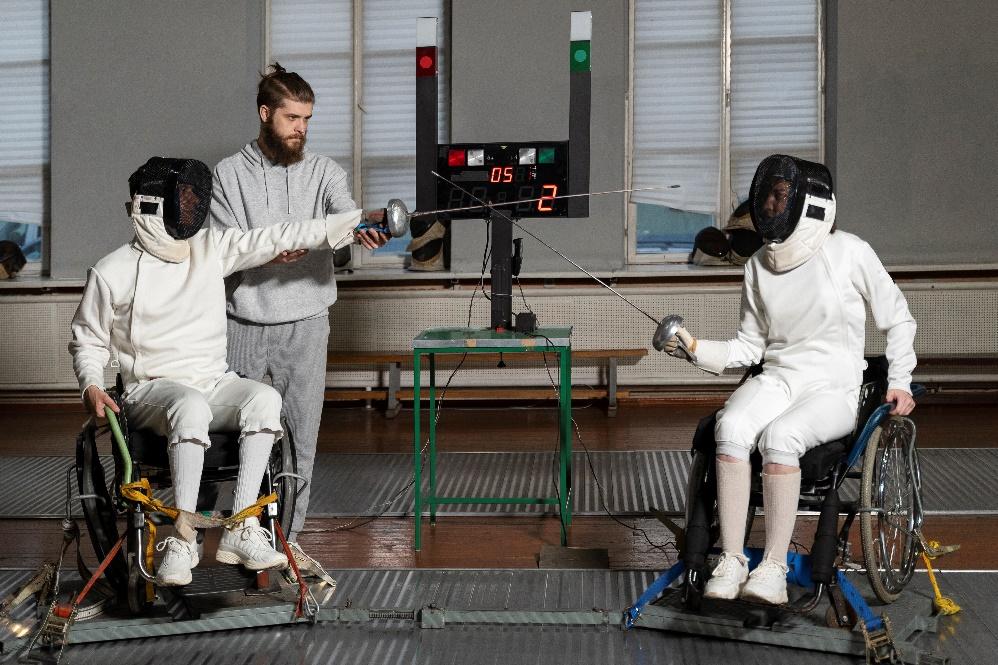
Figure 23. Assistive Technology in Sports
(Source)
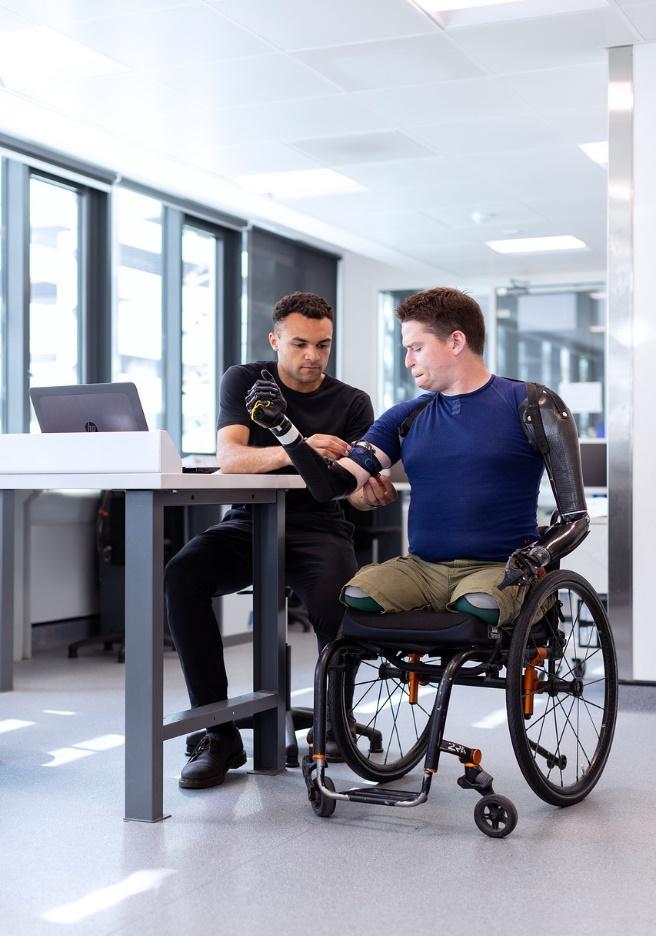
Figure 24. Training for the use of a Myoelectric Prosthesis
(Source)

Figure 25. Use of a Prosthetic Hand
(Source)

Figure 26. Use of a Braille Line
(Source)
4. Classification of Assistive Technology
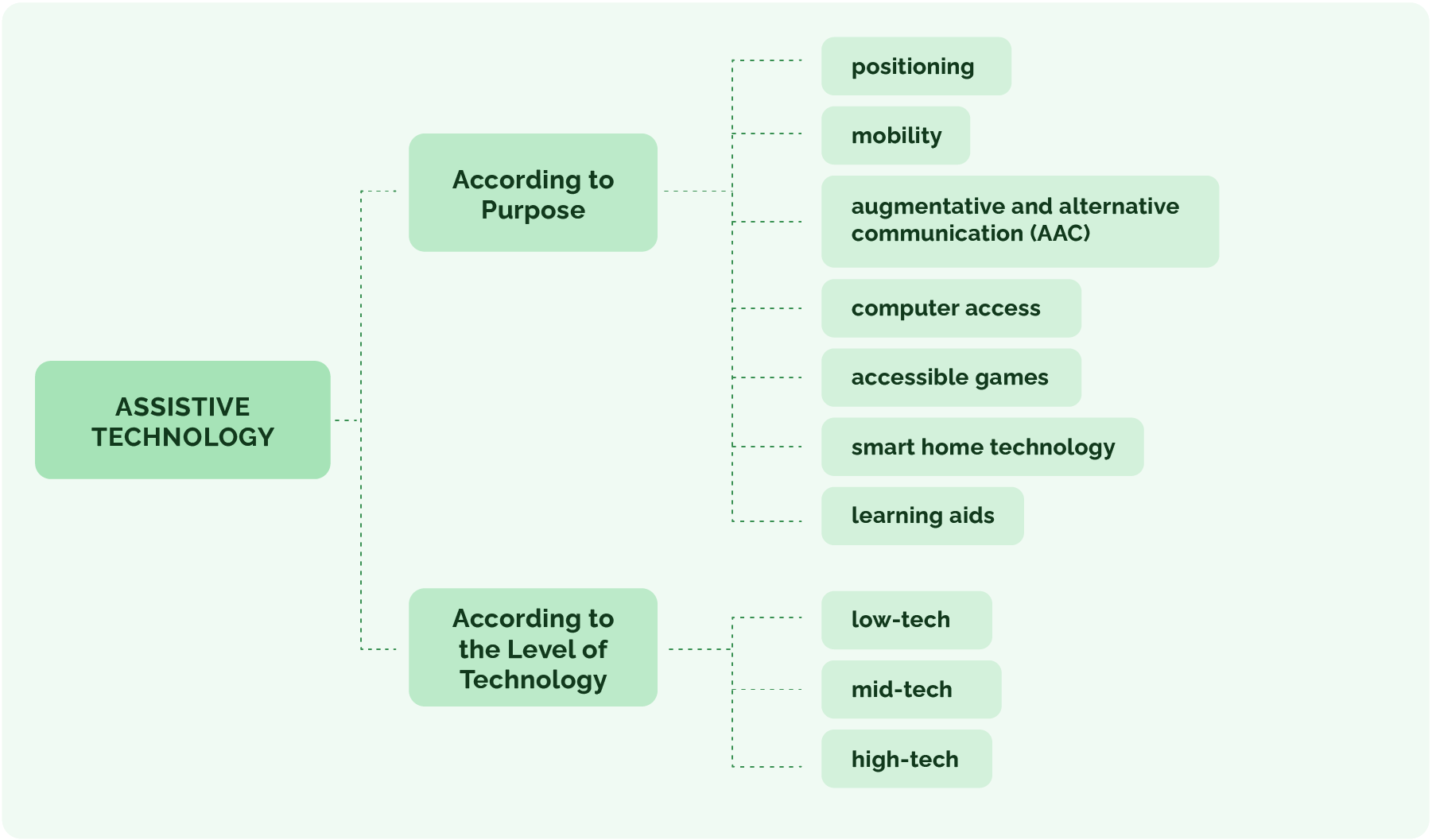
Figure 27. Classification of Assistive Technology
AT is most often classified by level of technology (low-tech, mid-tech, and high-tech) and by purpose (AT for positioning, mobility, augmentative and alternative communication/aided communication, computer access, adapted games, AT for daily living activities, and AT in education) (Bryant and Bryant, 2012, pp. 7–8) (Figure 27).
AT can also be categorised by function. The most recognised classification of this type is that established by the International Organization for Standardization (ISO 9999:2022), according to which AT is divided into:
04 AT for measuring, stimulating, and exercising psychological and physiological functions
06 Orthoses and prostheses
09 AT for self-care activities and participation in personal care
12 AT for personal mobility and transportation activities and participation
15 AT for household activities and participation in housekeeping
18 Furniture, equipment, and AT for support in activities within the home and outdoor environment
22 AT for communication and information management
24 AT for managing, carrying, moving, and handling objects and devices
27 AT for controlling, adapting, or measuring elements of the physical environment
28 AT for work activities and participation in employment
30 AT for recreation and leisure
5. Questions and Tasks for Self-Assessment and Reflection
1. State the definition of assistive technology.
2. List the most common ways to classify assistive technology.
3. How is assistive technology classified by purpose?
6. References
ISO 9999:2022 Assistive products – Classification and terminology
WHO (2024). Assistive technology
Bryant, D.P., & Bryant, B.R. (2012). Assistive Technology for People with Disabilities, 2nd Edition. Pearson
Background Colour
Font Face
Font Size
Text Colour
Font Kerning
Image Visibility
Letter Spacing
Line Height
Link Highlight
Paragraph Width
Text Alignment