3. Course Structure
The e‑course consists of nine thematic units. The following table shows the percentage by which each of the nine units contributes to each learning outcome.
|
|
Identify possible approaches to managing, protecting, and sharing digital resources and materials |
Recognise potential security and privacy risks associated with commonly used educational digital tools and platforms |
Evaluate digital educational resources based on their compliance with recognised security and privacy standards |
Relate security and privacy in the digital environment to their impact on student learning |
|
Threats and Risks to Digital Identity and Personal Data |
25 % |
|||
|
Cybersecurity Risks in Education – Case Studies |
20 % |
25 % |
20 % |
|
|
Digital Identity Management – Privacy Protection Strategies and Digital Footprints |
25% |
25% |
||
|
Best Practices in Digital Identity Management |
25 % |
|||
|
Management and Protection of Digital Resources and Materials |
25 % |
|||
|
Evaluation of Digital Resources – Criteria for Assessing the Security of Digital Tools and Platforms |
20 % |
|||
|
Compliance with Copyright, Data Protection, and Cybersecurity Laws and Regulations |
30 % |
35 % |
35 % |
|
|
Students’ Digital Literacy and Privacy |
40 % |
|||
|
Data Storage and Sharing in Education – Recommendations and Tools |
25 % |
25 % |
Unit 1: Threats and Risks to Digital Identity and Personal Data
In theoretical terms, this unit provides the fundamental concepts related to different types of cyber risks and threats to personal data, and the basics of prevention and risk management concerning personal data.
In practical terms, within this unit, participants are expected to analyse examples of personal data misuse and examine the consequences of compromised digital identity.
Unit 2: Cybersecurity Risks in Education
This topic helps participants understand cybersecurity threats in the education sector through examples of real attacks and vulnerabilities. They become familiar with the most common types of attacks, protection measures, and the consequences of security incidents. Special attention is given to the challenges of data protection in educational institutions and compliance with regulations such as the GDPR.
In practical terms, the topic helps participants develop skills in identifying security risks, analysing incidents, and developing preventive measures. Through a practical assignment, and with the support of the designated responsible person in their institution, they can assess the security policy and configuration within their own organisation.
Unit 3: Digital Identity Management – Strategies for Privacy Protection and Digital Footprints
In theoretical terms, this unit introduces the fundamentals of digital identity, its different types, how digital footprints are formed, and the threats and risks present in the digital environment. Participants will also become familiar with the legal frameworks for privacy protection and safety on social networks.
In practical terms, participants will explore security tools, examine real‑world examples, take part in discussions, and write an essay on the impact of digital traces on privacy and how they can be managed.
Unit 4: Best Practices in Digital Identity Management
In theoretical terms, participants will learn the fundamentals of authentication, authorisation, and best practices in digital identity management by studying relevant sources.
In practical terms, they will analyse an IAM tool to gain a better understanding of identity lifecycle management and take part in a forum discussion on access management and auditing (Access Governance).
Unit 5: Management and Protection of Digital Resources and Materials
In theoretical terms, participants will learn about the different types of digital resources and materials, how to protect them, and the legal and ethical aspects of sharing content.
In practical terms, they will explore security tools such as PGP and OnlyOffice, test their features for protecting digital materials, and take part in a forum discussion on ethics and the legal framework of protection.
Unit 6: Evaluation of Digital Resources – Criteria for Assessing the Security of Digital Tools and Platforms
In theoretical terms, participants will learn the criteria for evaluating the security of digital tools and platforms, become familiar with the ISO 27000 series of standards, and understand procedures for managing security incidents.
In practical terms, they will independently analyse the security aspects of their institution’s IT infrastructure, participate in a discussion, and—with the support of the responsible person in their organisation—prepare an assessment of their institution’s compliance with the ISO 27001 standard.
Unit 7: Compliance with Copyright, Data Protection, and Cybersecurity Laws
In theoretical terms, participants will learn the basic legal frameworks related to copyright, personal data protection, and cybersecurity.
In practical terms, they will independently study the relevant literature, write an essay on a selected topic, and participate in a forum discussion on user rights in the field of data protection.
Unit 8: Students’ Digital Literacy and Privacy
In theoretical terms, participants will gain knowledge about the threats and risks to students’ digital security, as well as the technological challenges and innovations related to privacy protection in education.
In practical terms, they will work on developing a security‑aware culture through exercises, analyse the challenges of online learning, and participate in a forum discussion on privacy protection in the digital educational environment.
Unit 9: Data Storage and Sharing in Education – Recommendations and Tools
In theoretical terms, participants will learn about tools and recommendations for storing and sharing data in education, including mobile device security and digital ethics.
In practical terms, they will explore and use data‑management tools and take part in a forum discussion on data privacy and examples of good practice.
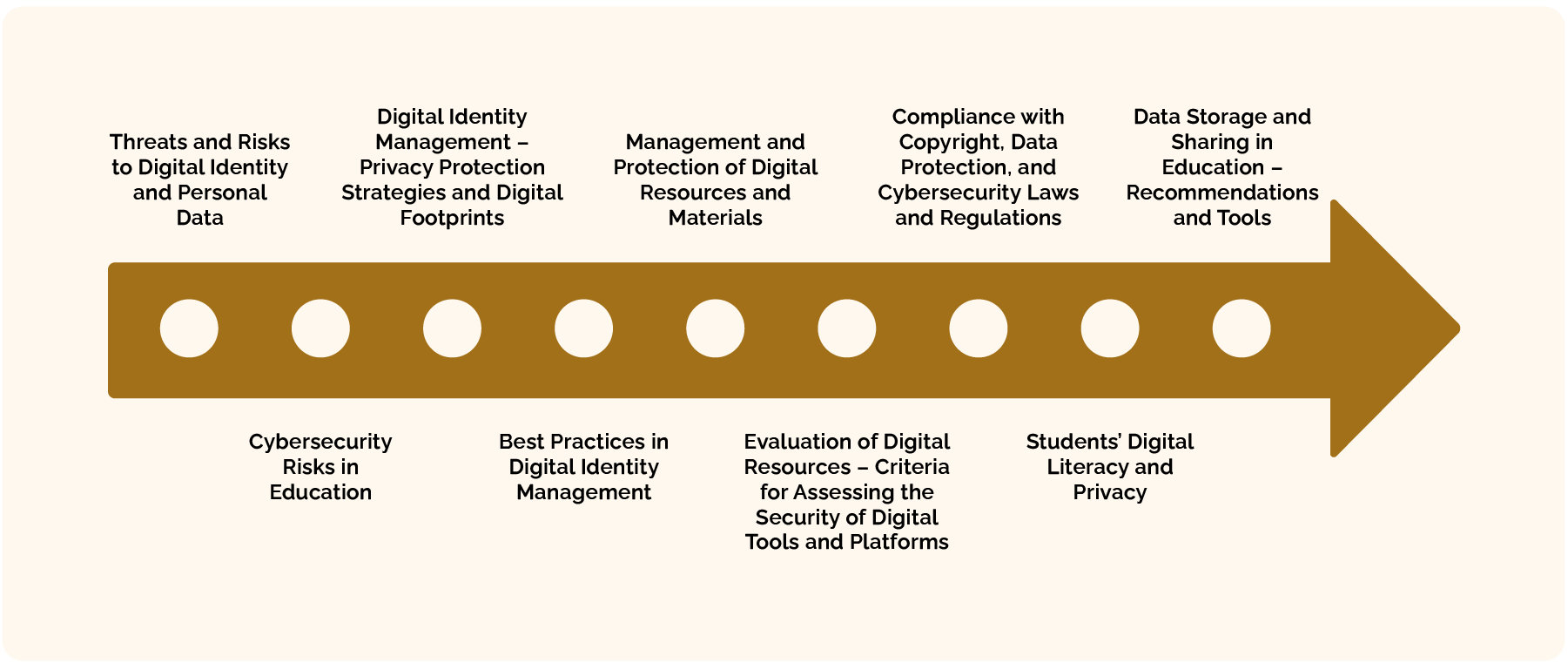
Figure 1: Overview of Summative Assessment
Background Colour
Font Face
Font Size
Text Colour
Font Kerning
Image Visibility
Letter Spacing
Line Height
Link Highlight
Paragraph Width
Text Alignment