6. Conclusion and the future of instructional design with AI
Artificial intelligence will continue to transform how we learn and teach, enabling greater personalisation, adaptability, and engagement. The use of virtual assistants, automated evaluation systems, and immersive technologies – such as virtual reality (VR), augmented reality (AR), and mixed reality (MR)—along with artificial intelligence, is expected to become increasingly widespread.
Potential for Further Development and the Role of the Instructional Designer
The role of instructional designers is shifting from technical and operational tasks to the strategic design of learning experiences. Designers are no longer just content planners but are now architects of interactive and personalised learning, leveraging artificial intelligence to:
- Create content in collaboration with AI tools and systems.
- Analyse learning data and adapt materials.
- Monitor participant engagement and progress in real time.
- Shape new forms of experiences, such as gamification, simulations, and VR/AR environments.
Additionally, ongoing development in new technologies, pedagogical methods, and ethical considerations is essential for maintaining the quality and relevance of education.
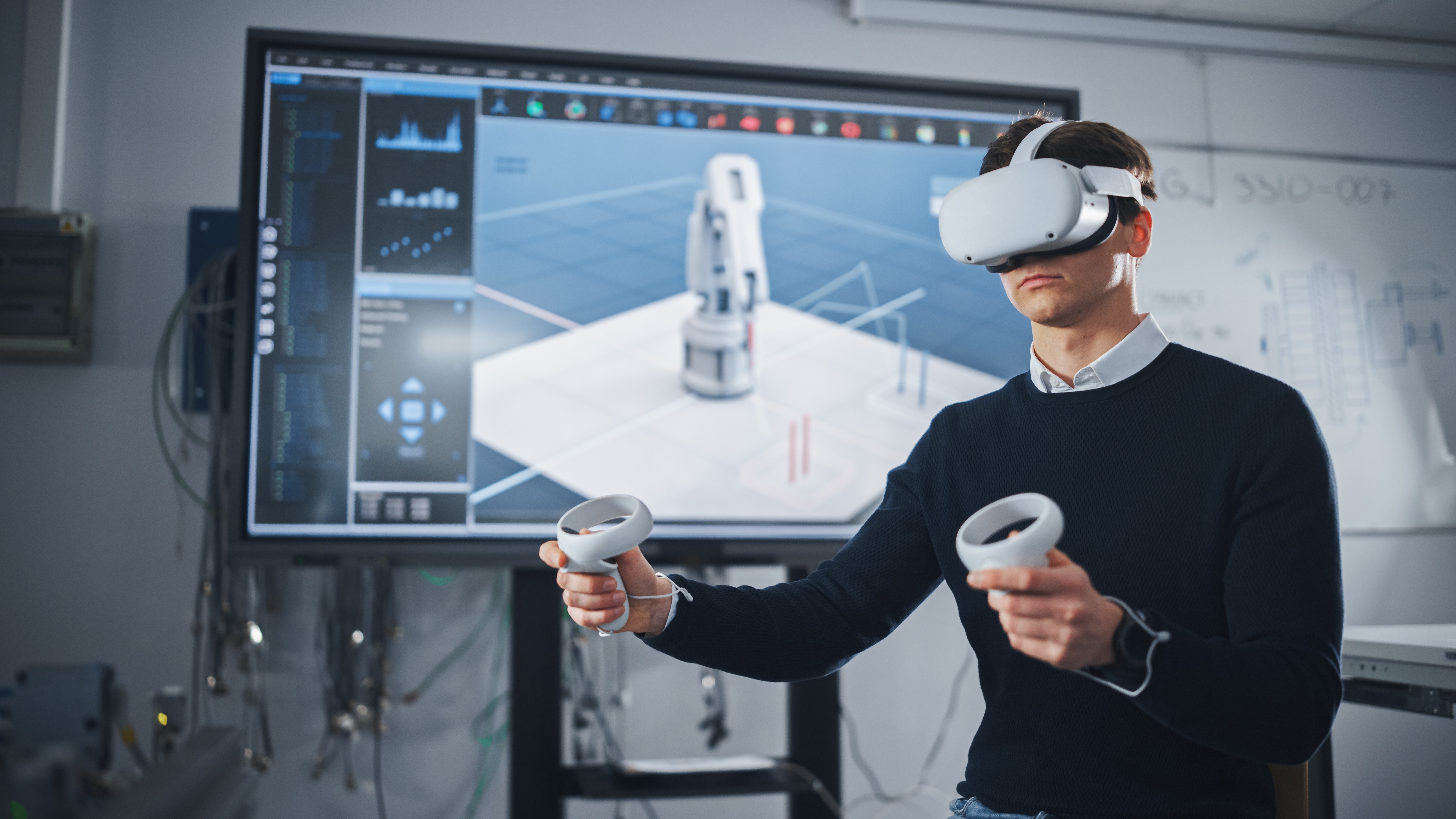
Image source: Shutterstock
Background Colour
Font Face
Font Size
Text Colour
Font Kerning
Image Visibility
Letter Spacing
Line Height
Link Highlight
Paragraph Width
Text Alignment