7. Universal Design for Learning
Universal Design for Learning (UDL) is a pedagogical framework aimed at creating flexible and inclusive educational approaches that enable effective learning for all students, regardless of their abilities, learning approaches, language, culture, or other differences.
UDL is a proactive approach that does not adapt teaching retroactively for individuals with difficulties, but is instead designed from the start so that learning is accessible to everyone.
UDL is based on three key principles that apply to *what*, *how*, and *why* students learn:
Multiple Means of Representation – relates to *what* students learn. This principle encourages teachers to present content in various ways (text, image, video, audio, infographics), enabling students with different learning styles and levels of prior knowledge to understand the material.
Multiple Means of Action and Expression – relates to *how* students demonstrate what they have learned. Students should have opportunities to choose different ways of expressing their knowledge, such as through written work, presentations, video recordings, practical tasks, or oral exams. This approach promotes the development of diverse competencies and autonomy in learning.
Multiple Means of Engagement – relates to *why* students learn. This principle supports motivation and participation by allowing choice of topics, challenge levels, learning modes (individual, pair, or group), integrating game-based elements, and connecting content to students’ interests and experiences.
Reference: CAST Universal Design for Learning Guidelines.
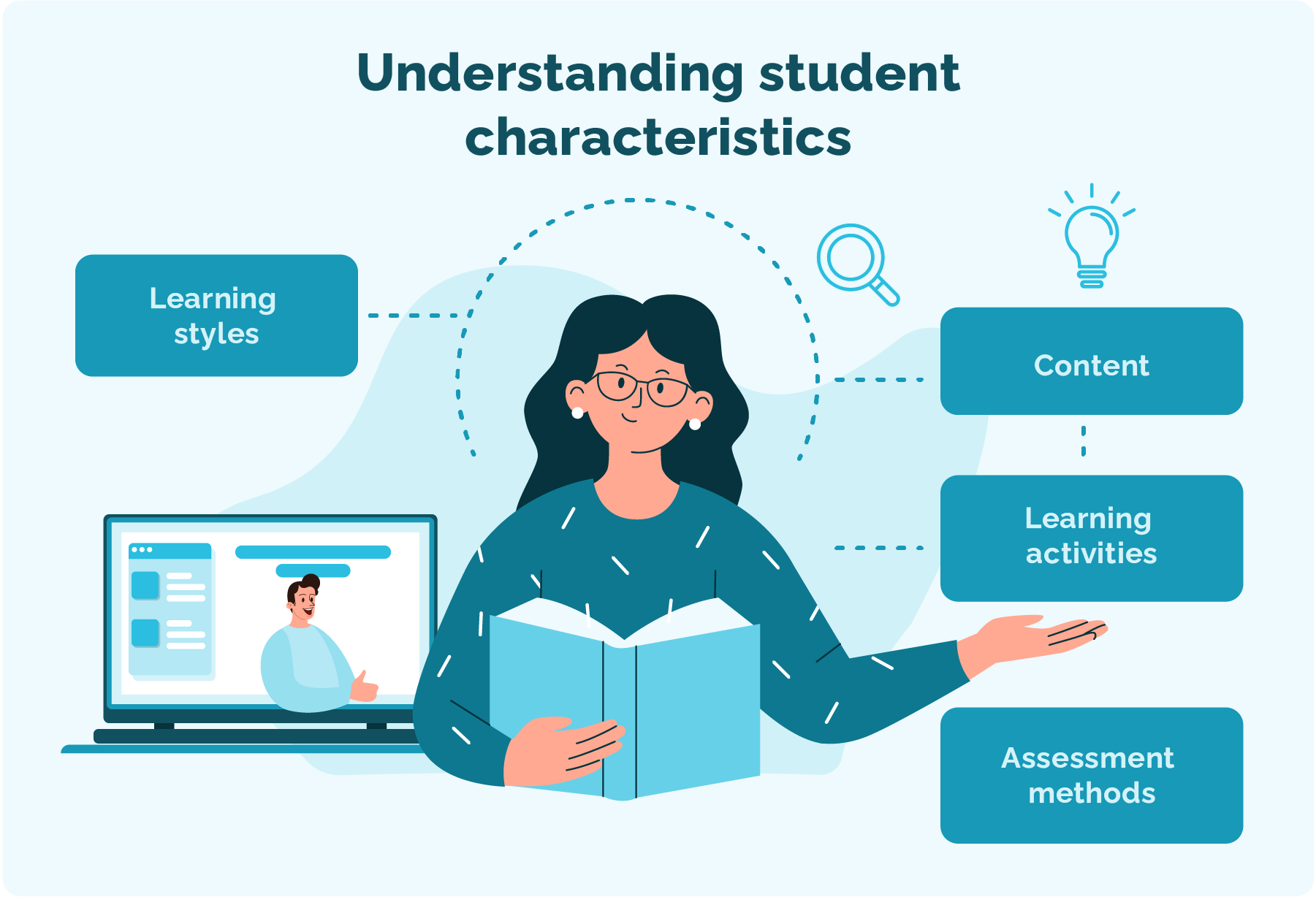
Figure 9: Understanding student characteristics
Background Colour
Font Face
Font Size
Text Colour
Font Kerning
Image Visibility
Letter Spacing
Line Height
Link Highlight
Paragraph Width
Text Alignment