3. Croatian Platforms and Repositories Supporting Open Access
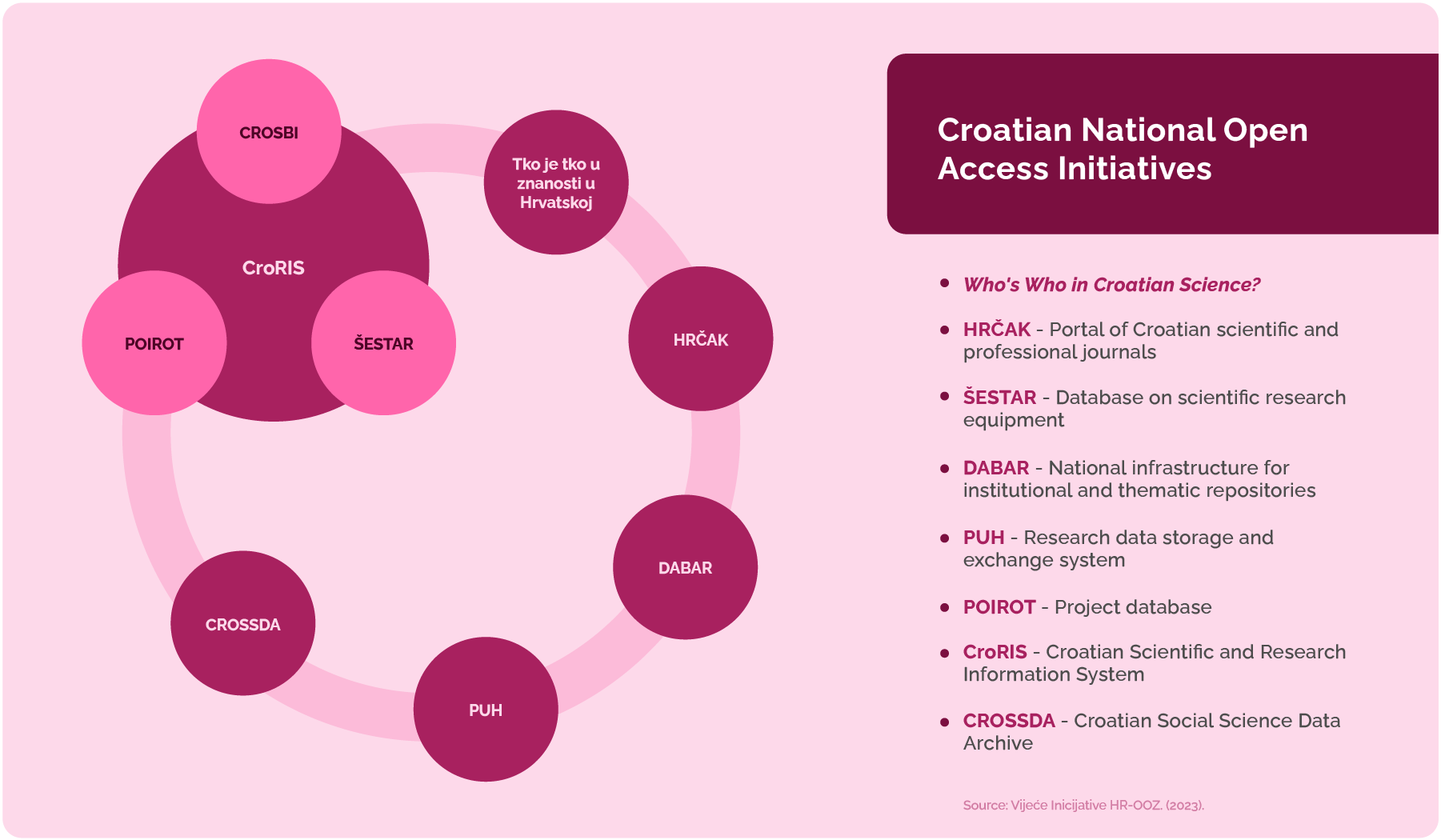
Figure 1: Croatian national open access initiatives
CroRIS is the national research information system (Croatian Research Information System), which centralises and connects all data on scientific research work in Croatia. Its aim is to consolidate information on researchers, institutions, projects, publications, equipment, and innovations into a single database.
The system supports open science and ensures the reliability and quality of data. It is interoperable with international initiatives such as EOSC, which enhances the global visibility of Croatian research. CroRIS serves as a key tool for strategic decision-making and the management of science at the national level. By integrating existing systems (such as CROSBI and POIROT), CroRIS provides a comprehensive platform for the digitalisation and organisation of scientific information in Croatia.
HRČAK is the central portal for Croatian scientific and professional journals that provide open access to their articles. HRČAK was launched in 2006 and has become a key platform for the dissemination of scientific knowledge in Croatia. It offers journal editors tools for publishing issues in open access, thereby significantly contributing to the visibility of Croatian scientific output. Currently, several hundred journals are available through the portal.
DABAR (Digital Academic Archives and Repositories) is a key component of the Croatian e-infrastructure, developed to support open science. It enables the establishment and maintenance of reliable and interoperable institutional and thematic digital repositories at no cost to institutions. DABAR ensures the long-term preservation and dissemination of digital objects created within higher education and scientific institutions, including final and diploma theses, doctoral dissertations, research data, and more. The system is aligned with international standards such as the OpenAIRE guidelines.
PUH is a data storage and management system provided by the University Computing Centre (SRCE). It is intended for the storage and sharing of data related to education and research processes within the science and higher education system. PUH forms part of SRCE’s advanced computing services, which also include the Supek supercomputer, offering a robust solution for the storage requirements of large volumes of research data.
ŠESTAR is a database that serves as a register of scientific research equipment in Croatia. Its purpose is to enable more effective use and greater accessibility of costly research equipment within the scientific community. Through this database, information on available equipment is centralised and searchable, which facilitates collaboration and the planning of research projects. Although detailed information about the ŠESTAR database is not as readily accessible to the public as some other systems, it remains an important resource for coordinating research capacities.
POIROT is a database of project activities in science and higher education in the Republic of Croatia. Its purpose is to collect and provide an overview of data on active and completed scientific projects. This database offers insight into research directions, institutions leading and participating in projects, and sources of funding. It is important to note that POIROT has become part of the Science Information System of the Republic of Croatia (CroRIS), and the entry of new data and the editing of existing projects are now carried out exclusively through the CroRIS platform.
CROSSDA is the Croatian Social Science Data Archive, more specifically, a national public infrastructural service whose role is to ensure the long-term preservation and dissemination of social science research data. CROSSDA was established in 2019 and is a member of CESSDA (Consortium of European Social Science Data Archives), ensuring compliance with European standards. The archive provides support to researchers throughout the entire project life cycle and promotes open access and open science policies within the field of social sciences.
Background Colour
Font Face
Font Size
Text Colour
Font Kerning
Image Visibility
Letter Spacing
Line Height
Link Highlight
Paragraph Width
Text Alignment