2. Application and Development of Open Educational Resources in Higher Education
Open educational resources represent a key resource for the improvement of pedagogical practices and the dissemination of knowledge in the academic environment. Their application encompasses a dual approach: integration of existing OER into the curriculum and the creation of new open educational resources.
Incorporating existing OER into the curriculum allows teachers to optimize time and resources and increase the quality of teaching in the following ways:
- Availability of resources: OER repositories offer a wide range of educational materials – from digital textbooks and lecture notes, through interactive modules and simulations, to video lectures and virtual laboratories. By using these resources, teachers can significantly reduce their workload in creating materials, as well as enhance the quality of teaching materials
- Adaptation and contextualization: certain open licenses allow for the modification and adaptation of existing OER, which implies adjusting content to specific learning outcomes, student levels, local contexts, or interdisciplinary curriculum requirements. It is possible to modify, translate, supplement, or reinterpret materials to optimally serve defined didactic goals
- Supplementing traditional sources: OER repositories do not necessarily replace established sources, but can complement them, offering new perspectives. For example, certain topics can be visualized through simulations, thereby enriching the understanding of abstract concepts
- Currency and relevance: especially in dynamic scientific disciplines, the OER ecosystem allows for faster dissemination and updating of content compared to traditional publications. This ensures that teachers and students access the latest findings and methodologies in a shorter period of time
Open educational resources also enable a significant improvement in the process of creating and designing one's own teaching materials, offering efficiency, quality, and adaptability through the following steps:
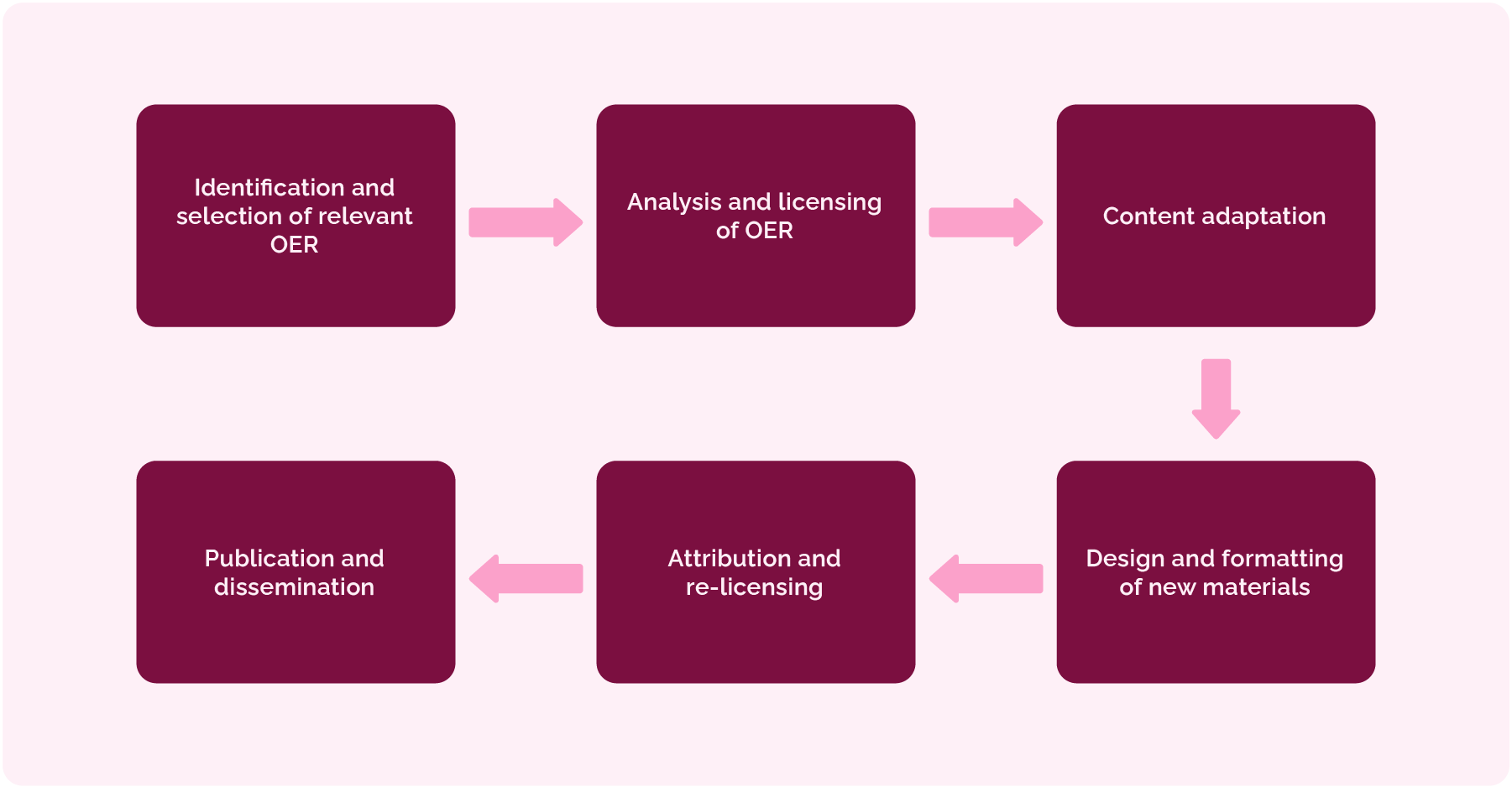
Figure 2: Steps in the Process of Creating and Designing OERs
Background Colour
Font Face
Font Size
Text Colour
Font Kerning
Image Visibility
Letter Spacing
Line Height
Link Highlight
Paragraph Width
Text Alignment