1. Introduction and Elements of Strategic Planning
Strategic planning enables a clear definition of mission, vision, and goals at the national level, but also at both the national level and within higher education institutions, thereby ensuring that all activities and resources are aligned towards a desired future and the attainment of set goals in the domains of science and education.
The vision for the development of open science and education is connected to a future in which knowledge is universally accessible, and education is of consistent quality for all, fostering innovation and collaborative practices.
The mission is to actively promote transparency, sharing, and the reuse of scientific outputs and educational resources through concrete strategies and support for all stakeholders.
Based on the vision and mission, specific, measurable, achievable, relevant, and time-bound (SMART) goals are set. These objectives clarify precisely what is intended through the introduction of openness, whether it involves increasing the number of open educational resources, enhancing the visibility of scholarly publications, or encouraging collaborative research activities.
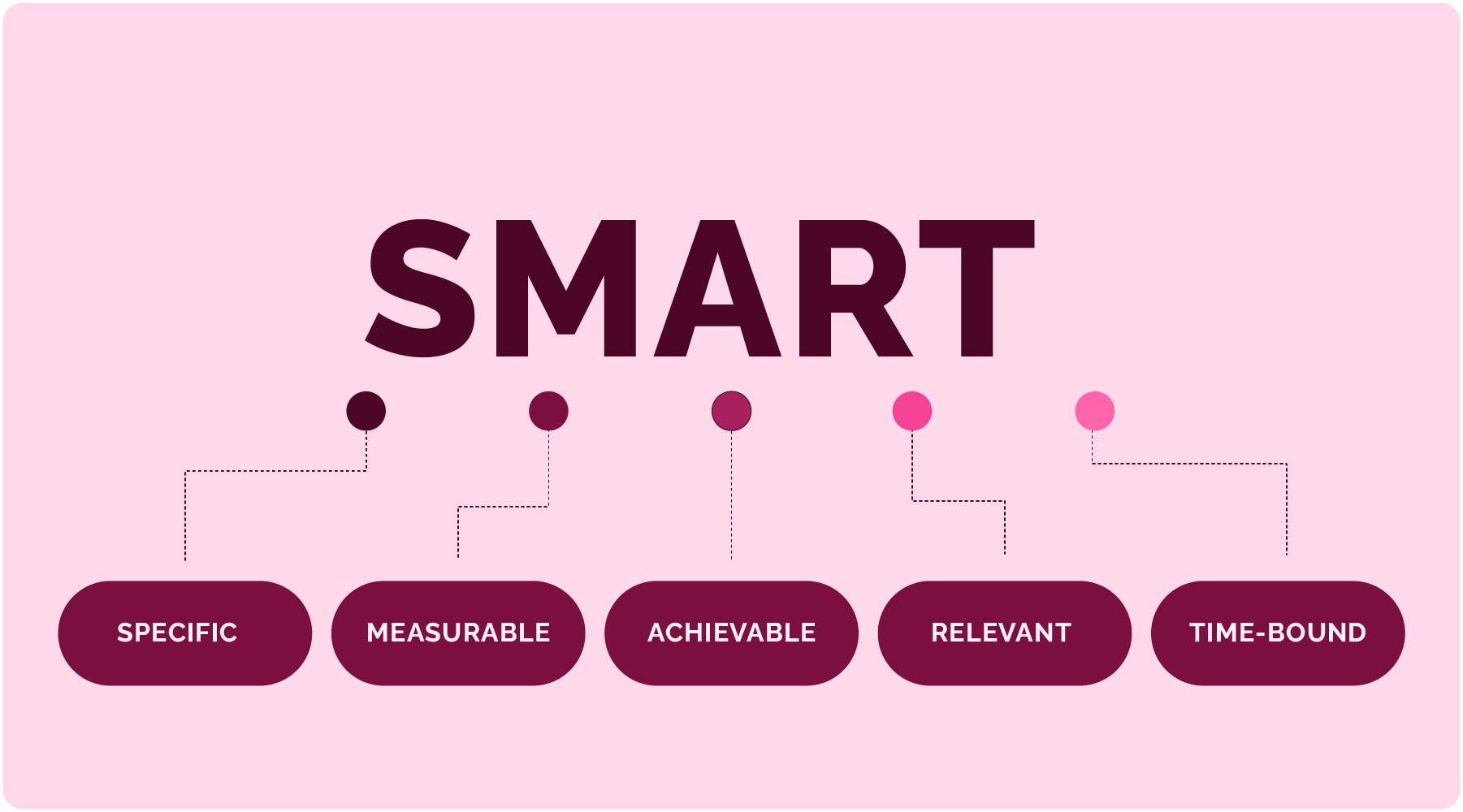
Figure 1: Graphical Representation of SMART Goals
To achieve these goals, we define specific activities – steps and projects we will undertake. These may include developing repositories, organising workshops, establishing open access policies, or encouraging lecturers to create open educational content. It is essential to allocate resources effectively (financial, human, and technical) to implement these activities successfully.
To know if we are on the right track toward achieving our goals, we must define clear success indicators for open science and education. These indicators can be quantitative, such as the number of papers published in open access, the number of open educational resources created, or the number of workshop participants, or qualitative, such as teachers’ and students’ perceptions of openness and the degree of research collaboration.
Finally, strategic planning includes mechanisms for evaluation and progress monitoring. Regular monitoring of indicators allows us to assess the effectiveness of implemented policies and strategies and to use these findings to adapt future steps.
Without a clear vision, mission, goals, specific activities, and measurable indicators, the introduction of openness can be haphazard and ineffective. A strategic approach ensures that our efforts are focused, purposeful, and lead toward the desired transformation.
Strategic planning guarantees the alignment of efforts at all levels. National policies should establish a framework and provide incentives for universities and faculties, while university strategies should interpret these policies and adapt them to their own context. Faculties then implement these strategies within their teaching and research practices.

Figure 2: Generated by Gemini AI Tool
Background Colour
Font Face
Font Size
Text Colour
Font Kerning
Image Visibility
Letter Spacing
Line Height
Link Highlight
Paragraph Width
Text Alignment