2. Digitally Accessible Content
The following link is available in Croatian only. Participants may use free AI-powered translation tools to access the provided materials.
The CARNET Guidelines for Ensuring Digital Accessibility (CARNET, 2025) set out the requirements that digital content must meet to be accessible. When planning the development of accessible digital content, it is necessary to consider factors that interact and enable the creation of an environment that is both accessible and easy to use.
The Web Content Accessibility Guidelines (WCAG) are a globally recognised framework for improving digital accessibility for persons with disabilities. WCAG 2.2 is the latest accessibility standard introduced by the W3C (World Wide Web Consortium). The W3C, founded in 1994, aims to further develop the World Wide Web and establish regulations and standards for its standardisation. The W3C's vision is based on two main principles: Web for All and Web on Everything (Vučak et al., 2013).
WCAG 2.2 provides guidelines for improving the usability of website content and ensuring its accessibility for persons with disabilities. WCAG defines three conformance levels for assessing digital accessibility (A, AA, and AAA). Each level builds on the previous one, with different criteria to be met.
At the core of WCAG are four fundamental principles of accessibility (the English acronym POUR):
- Perceivable
- Operable
- Understandable
- Robust.
These describe the essential qualities that web content must have to be considered accessible, and they are the key components of a strategy that can lead to more innovative, empathetic, and successful digital content.
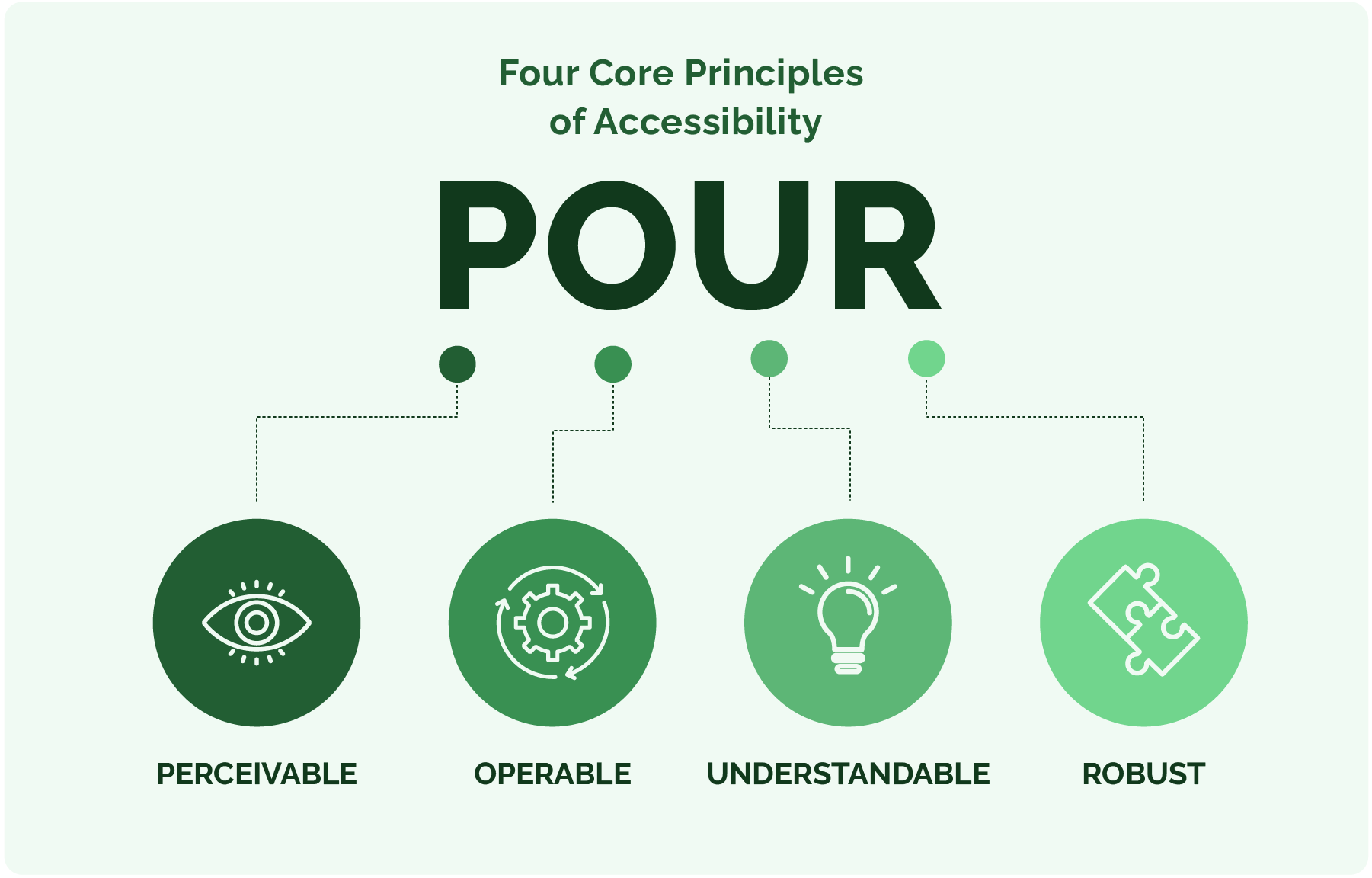
Figure 28. Four Fundamental Principles of Accessibility
Background Colour
Font Face
Font Size
Text Colour
Font Kerning
Image Visibility
Letter Spacing
Line Height
Link Highlight
Paragraph Width
Text Alignment