2. Key curriculum areas for ensuring well-being and mental health from the content aspect
Curriculum design focused on well-being and mental health is not just an addition to teaching, but a systematic integration of content and methods of learning and teaching through an interdisciplinary approach that should be implemented in the teaching process, based on a developed or transformed curriculum.
There are four areas that are recommended to be introduced into courses in a way that they need to be embedded into existing content and teaching methods being applied:
Social and emotional well-being, in which the focus is on the development of self-confidence, communication and presentation skills, empathy, and emotion management. The development of these skills enables students to be better prepared for the labor market, increases their self-confidence, reduces stress, and contributes to success as well as the preservation of well-being and mental health.
Stress coping strategies, which include the integration of methods for identifying stressors and developing strategies to overcome them within the academic environment, as well as later in the business environment. It is important to raise students' awareness of the negative aspects of stress and stressful situations, teach them how to prevent, recognize, and overcome them. Likewise, to recognize when it is necessary to seek help for oneself as well as for others.
Interdisciplinarity is extremely important, especially in the curriculum and its implementation, because connecting topics such as ensuring digital well-being, addiction prevention, and digital hygiene with the primary field of study greatly contributes to the preservation of well-being and mental health, both during studies and in later life. Projects can be social; they can be done by connecting two or more courses with organizations or companies outside the higher education institution.
Prevention and early recognition of signs of impaired mental health allow timely familiarization of students with mechanisms for preserving mental health, as well as clear referral to professional services such as counseling centers before serious problems arise.
A curriculum design that supports the ensuring of well-being among students must not be reactive but act preventively, creating an inclusive and supportive academic community in which mental health care is integrated into the core process of learning and teaching.
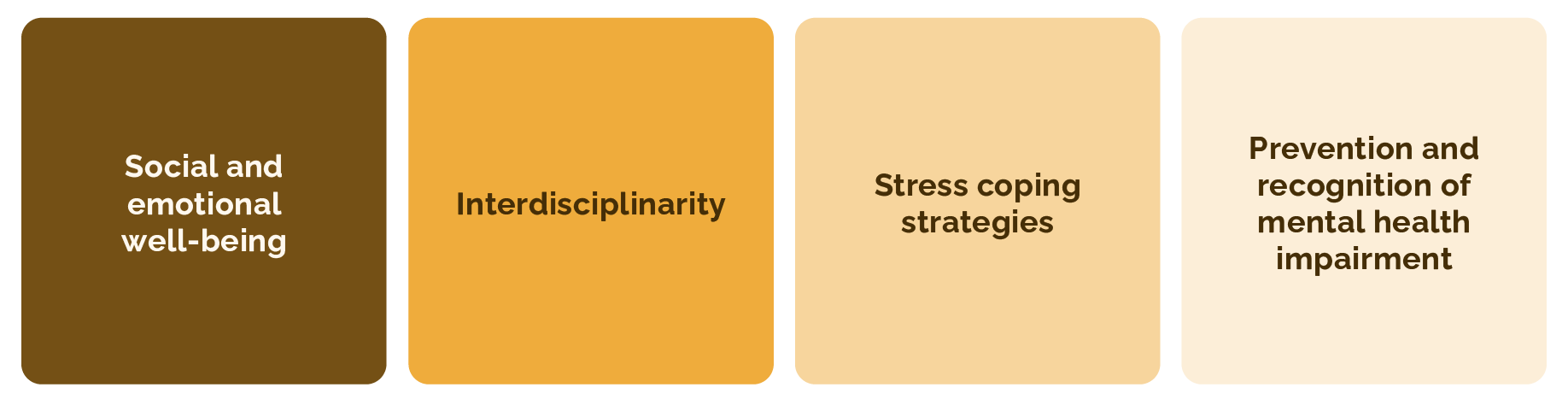
Figure 2. Four areas contributing to mental health and well-being
Background Colour
Font Face
Font Size
Text Colour
Font Kerning
Image Visibility
Letter Spacing
Line Height
Link Highlight
Paragraph Width
Text Alignment