1. Introduction
The well-being of university students and employees should be a key priority in higher education. In addition to strategic guidelines, policies, and recommendations that higher education institutions should prepare, one of the key activities is the design and delivery of a curriculum that affects the ensuring of student well-being, as well as their academic success and personal development. The document Supporting student wellbeing through curriculum design and delivery states that the best and most important way in which academic staff can support the well-being of their students is precisely through the curriculum.
Curriculum design and delivery that directly or indirectly covers topics related to well-being, digital well-being, and mental health, as well as methods of learning and teaching that develop problem-solving and critical thinking skills, directly shape the student experience, and can act preventively by ensuring student well-being and mental health as well as personal and professional success.
Student well-being and mental health are best supported by a curriculum that enables students to prepare, receive support, and engage in reflection. The curriculum and its implementation must be such that students are informed in advance and prepared for demanding tasks, that they are provided with a secure support network in fulfilling their obligations, and that reflection is encouraged to help them become aware of their own strength and progress.
Preparation includes clear and timely communication of expectations and ensuring the necessary prior knowledge before placing new challenges before students. Support includes the provision of help and resources during the process of mastering content. Reflection means helping students become aware of their own progress and the skill development that occurred after they overcame a challenge.
These three components should be an integral part of curriculum design and its implementation, as the best way the academic community can support students in ensuring well-being is not just by taking on the role of a counsellor, but through purposeful curriculum design. This creates an environment in which academic integrity and the assurance of well-being and mental health are linked goals.
The integration of well-being and mental health into the curriculum can be carried out through two key aspects: content and process. The content aspect includes linking academic content with themes of mental health and well-being through literature, discussions, and reflection. Although at first glance, well-being and mental health are linked to studies in medicine or social work, it is actually an interdisciplinary issue that connects the natural and social sciences, arts, and humanities. The approach of integration through content means including themes of well-being and mental health in all areas in a certain way, for example, studying mood disorders as part of a biology module, using mathematical models to explain the effects of eating disorders, or developing a video game in which the main character has certain behavioural disorders.
The integration of well-being and mental health from the process aspect includes methods of learning and teaching, giving feedback, the share of formative and summative assessment, peer assessment, teamwork, innovative methods in learning and teaching, all with the aim of developing required knowledge and skills, a sense of belonging, success, and self-confidence.
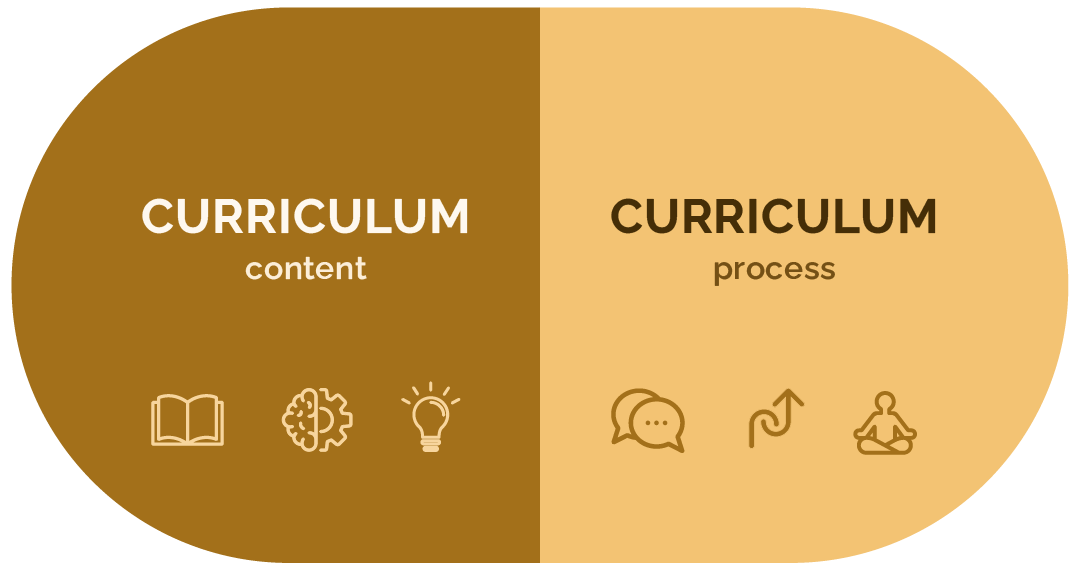
Figure 1. Two aspects of curriculum design and transformation – content and process (Houghton & Anderson, 2017)
Background Colour
Font Face
Font Size
Text Colour
Font Kerning
Image Visibility
Letter Spacing
Line Height
Link Highlight
Paragraph Width
Text Alignment